Mula Bandha Benefits: What the Root Lock Does and What It Does Not


Mula Bandha (Root Lock) is a light lift of the pelvic floor, the sling of muscles between the pubic bone and the tailbone. Its best supported benefit is the one it shares with pelvic floor training: stronger, better controlled pelvic floor muscles, which helps with bladder leaks and pelvic support. The other benefits you read about, from steadier balance to a calmer mind, range from a good teaching cue to tradition that research has not tested.
Type: bandha (lock), used in pranayama, meditation and asana. Level: beginner. Props: a cushion or folded blanket to sit on.
What is Mula Bandha?
Mula (मूल) is Sanskrit for root or base. Bandha (बन्ध) means lock, bind or tie. The root is the floor of the pelvis, and the lock is a gentle drawing in and up of the muscles there. In Hindi it is often called mool bandh or mulbandh.
It is one of three classic locks. The other two are Uddiyana Bandha, the abdominal lock, and Jalandhara Bandha, the chin lock. Together they are called Maha Bandha, the great lock. This post looks at what Mula Bandha does and what it does not do. For a full step-by-step guide, read Mula Bandha: what it is and how to practise it.
Benefits of Mula Bandha
Here are the benefits in order of how well they hold up, from the best supported to the least.
1. A stronger, more responsive pelvic floor
Mula Bandha contracts the pelvic floor muscles, mainly the levator ani group. Repeat any contraction often enough and the muscle gets stronger and easier to control. That is the principle behind pelvic floor muscle training, which systematic reviews support as a first treatment for stress urinary incontinence in women: the small leaks when you cough, sneeze or jump. Yoga research on Mula Bandha itself is small. One trial from India tested it in women with mild pelvic organ prolapse and reported improvement, but a single small study is a start, not proof.
The fair reading: Mula Bandha trains the same muscles as pelvic floor exercises, so it is reasonable to expect similar effects if you practise it the same way, regularly, over weeks, with both contraction and full release.
2. Awareness of an area most people cannot feel
Many people have no clear sense of their pelvic floor. They squeeze the buttocks, hold the breath or push down when asked to lift. Learning Mula Bandha teaches you to find the muscles, isolate them and let them go. That skill carries over into pelvic health, into sport and into recovery after childbirth, where knowing how to relax the pelvic floor matters as much as knowing how to tighten it.
3. Support for the trunk in movement
The pelvic floor works with the diaphragm, the deep abdominal muscles and the small muscles along the spine to manage pressure inside the trunk. When you exhale and lift the pelvic floor, the lower belly draws in slightly as well. In Ashtanga yoga this light engagement is used for jumping back and through, for standing balances and for arm balances. Students often report that the body feels lighter and more organised. That is a practitioner's observation, widely shared, and it fits the anatomy. It has not been measured in yoga studies. If you want the bigger picture of how these muscles work together, read our post on the core and yoga.
4. A steadier seat for pranayama and meditation
The Hatha Yoga Pradipika describes Mula Bandha together with breath retention, Kumbhaka. In a seated posture, a light lift at the base gives the attention a physical point to rest on and helps many people sit upright for longer. A clear focus point is a common tool in meditation, so this one is plausible. It is a practice experience, not a measured effect.
5. The energetic benefits, as the tradition describes them
In the yoga tradition, Mula Bandha turns apana, the downward-moving energy of elimination, upward to meet prana. It is linked to Muladhara, the root chakra at the base of the spine (see our beginner's guide to the seven chakras). These are descriptions from the texts and from teachers, and many practitioners find them useful images. They are not claims that anatomy or research can confirm, and we present them as tradition.
Claims that do not hold up
Lists of Mula Bandha benefits online, including the earlier version of this post, often go further. These claims have no good evidence behind them for Mula Bandha:
- Lowers blood pressure. Slow breathing and relaxation practices may lower blood pressure a little. There is no evidence the lock itself does. Holding it with breath retention can raise pressure for a moment.
- Regulates the menstrual cycle. No studies support this.
- Improves digestion. No studies support this for Mula Bandha.
- Cures erectile dysfunction. Pelvic floor exercises have shown some benefit for erectile function in small trials of men. That is pelvic floor training, supervised, over months. It says nothing about Mula Bandha as a cure.
Mula Bandha treats no disease. What it trains is a group of muscles, and the benefits that follow are the benefits of training those muscles well.
How to practise Mula Bandha for these benefits
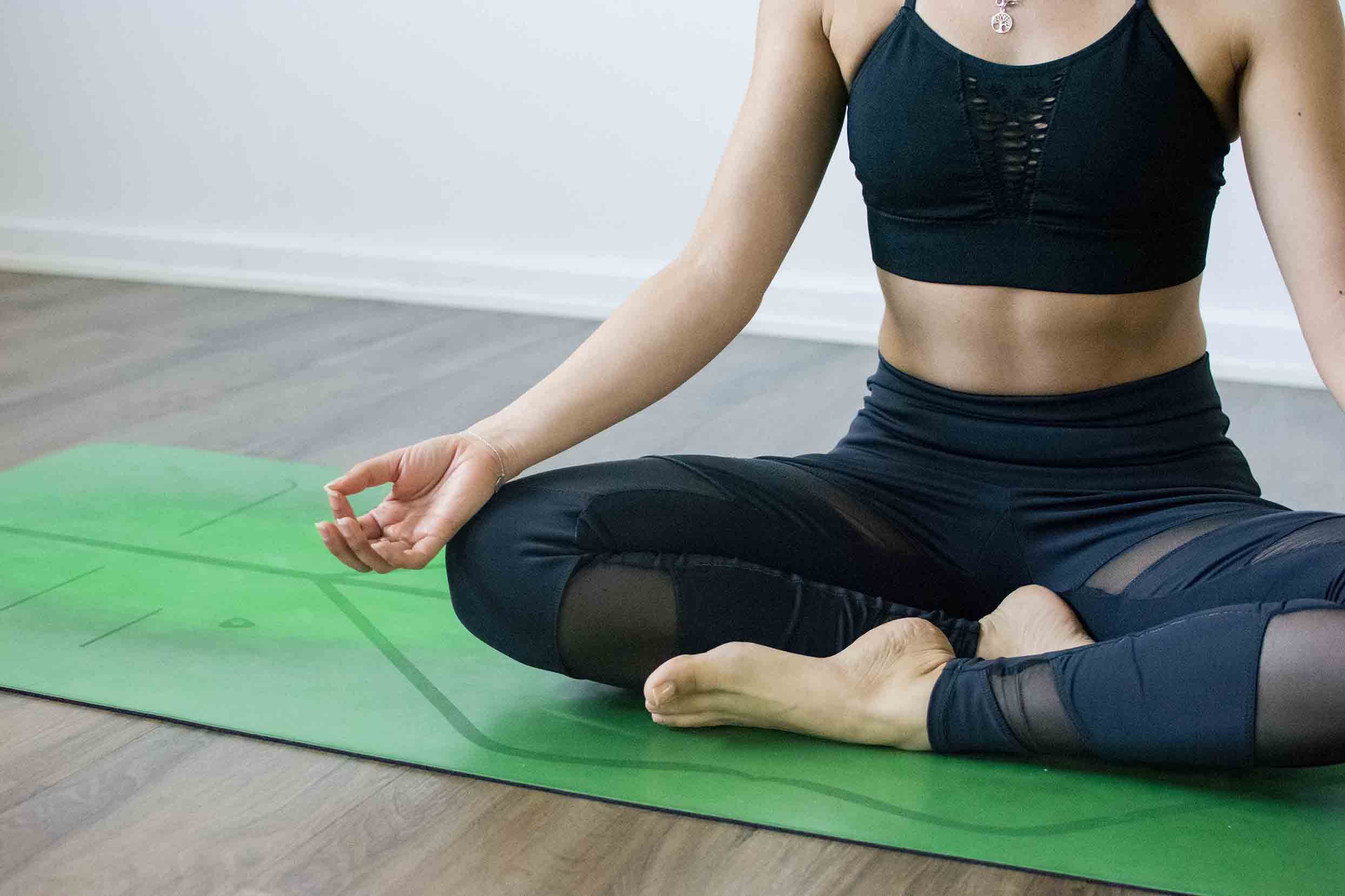
- Sit tall on a cushion, in Sukhasana (Easy Pose) or on a chair with both feet on the floor.
- Breathe slowly through the nose for a few rounds. Let the belly soften.
- On an exhale, draw the pelvic floor gently in and up, as if you were stopping the flow of urine and lifting the point between the sit bones. Keep the buttocks and thighs soft.
- Hold for 3-5 breaths without holding the breath. Use about a third of your full strength.
- Release completely. Feel the pelvic floor drop back. Rest for a few breaths.
- Repeat 5-10 times, once or twice a day.
The release is half the exercise. A pelvic floor that can only tighten is not a healthy one. Once the lift feels familiar, try it in Malasana (Garland Pose), where the pelvic floor is lengthened, and with Ujjayi breathing.
Who should go easy
- Pelvic pain, painful sex or an overactive pelvic floor. More squeezing can make these worse. Work on relaxing first, ideally with a pelvic health physiotherapist.
- Pregnancy. Gentle pelvic floor work is generally encouraged. Avoid strong holds and breath retention. Our prenatal yoga program is a safer place to start.
- After birth or pelvic surgery. Wait until you are cleared to exercise, then begin with light contractions.
- High blood pressure or heart conditions. Practise the lock with free breathing only, never with breath retention.
Where teachers and research disagree
Is it a Kegel? Physiotherapists tend to say yes: same muscles, same action. Yoga teachers tend to say no: Mula Bandha is smaller, more central, timed with the breath and part of a wider practice. For the physical benefits the physiotherapists have the stronger case, since the evidence comes from pelvic floor training. For what Mula Bandha means in the tradition, the teachers do.
How much and how often? Ashtanga teachers ask for a light lock through the whole practice. Pelvic health specialists warn against a pelvic floor that never lets go. The two positions meet at the level of effort: light and breathing is fine, a constant clench is not.
How old is it? The Hatha Yoga Pradipika, usually dated to the 15th century, describes it. Holding it through a flowing sequence of postures is a later teaching, associated with Ashtanga and Pattabhi Jois in the 20th century.
To feel the lock with a teacher, try the 15-minute Find Your Mula Bandha class with Guy Powiecki, then the Bandhas Tutorial, which adds Uddiyana Bandha.
Frequently asked questions
What are the benefits of Mula Bandha?
The best supported benefit is a stronger, better controlled pelvic floor, which helps with stress urinary incontinence and pelvic support. Teachers also use it for stability in jumps and balances and as a focus point in pranayama. Energetic benefits are described in the yoga tradition but have not been tested.
Is Mula Bandha the same as a Kegel?
They use the same muscles, the pelvic floor. A Kegel is a pelvic floor exercise from Western medicine. Mula Bandha is a yoga technique that focuses on the centre of the pelvic floor and is timed with the breath. For physical benefits they work in much the same way.
Which disease is treated by mulbandh?
None. Mula Bandha is not a treatment for any disease. As pelvic floor training it can help with mild bladder leakage and pelvic support. For incontinence, prolapse or pelvic pain, see a doctor or a pelvic health physiotherapist first.
How often should I practise Mula Bandha?
Once or twice a day, 5-10 lifts of 3-5 breaths each, with a full release after each one. Pelvic floor training studies usually run for at least 12 weeks, so give it time before you judge the result.
What does Mula Bandha feel like?
A small, quiet lift deep at the base of the pelvis, between the sit bones. The lower belly may draw in slightly. The buttocks, thighs and jaw stay soft, and the breath keeps moving. If you feel a hard squeeze or you stop breathing, use less effort.
Can Mula Bandha be harmful?
Used lightly, it is safe for most people. Squeezing hard and never releasing can make an overactive pelvic floor worse and cause pain. Combining it with breath retention is not advised with high blood pressure, heart conditions or in pregnancy.