Sukhasana (Easy Pose): How to Do It Step by Step

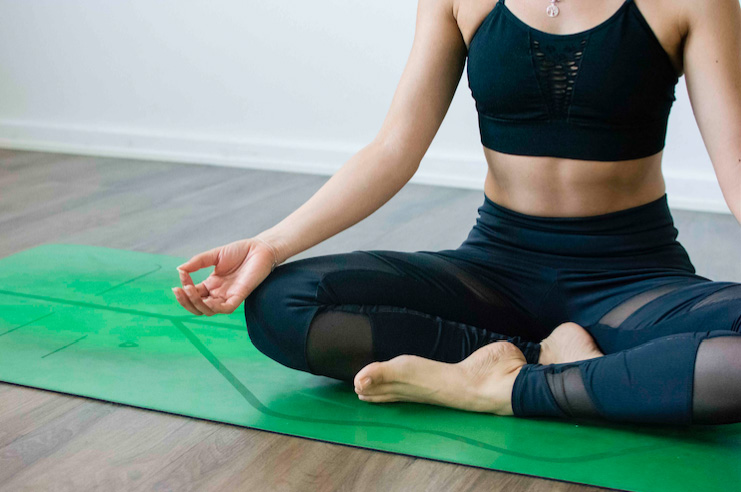
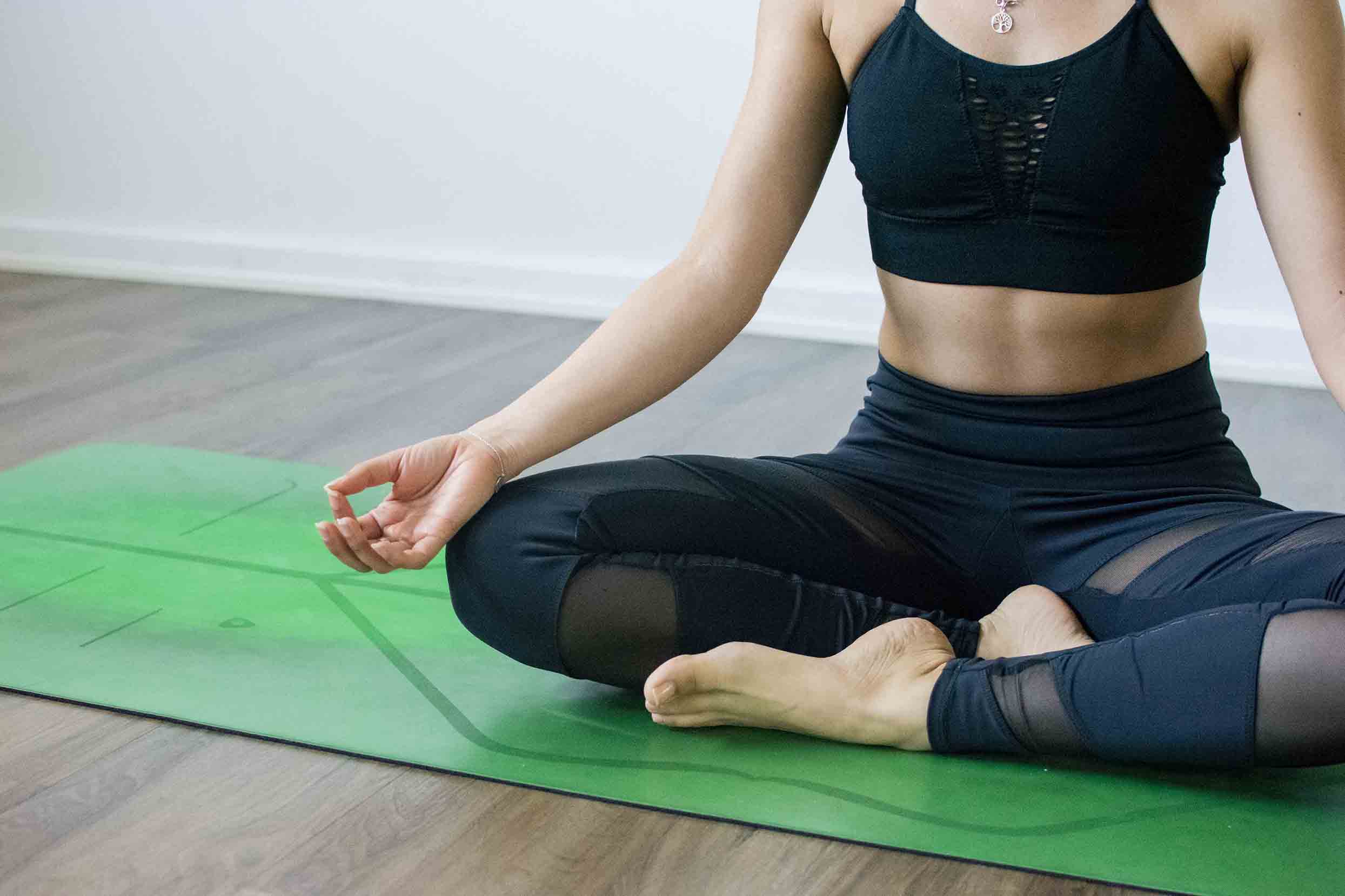
Sukhasana (Easy Pose) is a simple cross-legged seat in which each foot rests on the floor under the opposite knee or shin, with the spine upright and the hands on the knees or in the lap. It is the most common seat for meditation, breathing practice and the start and end of a yoga class. The name promises ease, but after years of sitting on chairs many people need a cushion under the hips before it feels easy.
Pose type: seated, cross-legged, meditation seat. Level: beginner. Props: a folded blanket, a cushion or a block to sit on, and two blocks for under the knees if they float high.
What Sukhasana means
The name joins two Sanskrit words: sukha, ease, comfort or happiness, and asana, seat or posture. You will also see it translated as Pleasant Pose or Comfortable Pose. The word sukha carries a line from the Yoga Sutras of Patanjali (2.46), sthira sukham asanam: the seat should be steady and comfortable. Easy here means with ease. It does not mean without effort, and the effort is in keeping the spine tall without strain.
How to do Sukhasana, step by step
- Sit on the front edge of a folded blanket or cushion, high enough that your hips are above your knees. This tips the pelvis slightly forward so the lower back can keep its natural curve.
- Cross your shins in front of you, left shin in front of the right or the other way round, and slide each foot under the opposite knee. Leave a little space between your feet and your pelvis.
- Let the knees drop toward the floor as far as they go without effort. If they stay high, put a block or a rolled blanket under each one.
- Feel both sitting bones evenly on the cushion. Lengthen up through the crown of the head, and let the shoulders settle down and back so the collarbones widen.
- Rest your hands on your knees or in your lap, palms up or down. You can add a hand gesture such as Chin or Jnana Mudra if you like.
- Soften your face, jaw and belly. Close your eyes or rest your gaze on the floor a meter or so in front of you.
- Breathe slowly through your nose, letting the belly and lower ribs move. Stay for 1 to 5 minutes to start. Next time, cross the legs the other way.
Switch which shin is in front each time you sit. Most people have a favourite, and the hips notice.
Benefits of Easy Pose
The main thing Sukhasana gives you is a seat you can stay in. A pose you can hold for ten minutes without shifting is more useful for breathing practice or meditation than a harder one you have to leave after two.
- Hips: it asks for gentle outward rotation and bending at the hip joints, and regular sitting keeps that range available.
- Ankles and knees: the knees bend and the outer ankles stretch lightly. Less than in Lotus, which is why it suits more bodies.
- Posture awareness: sitting tall without a backrest makes the muscles along the spine work, and you notice fast when you start to slump.
- A base for breathing: an upright spine leaves room for the ribs and belly to move, which is why it is used for Nadi Shodhana and other pranayama.
Many people feel calmer after a few minutes in Easy Pose. That calm comes mostly from sitting still and breathing slowly, with long exhales. The same breath works in a chair.
Who should skip or modify Sukhasana
- Knee injuries or knee surgery: keep the feet further forward so the knees bend less, or sit on a chair. Stop if you feel pain inside the knee joint.
- Hip replacement: ask your surgeon or physiotherapist before sitting cross-legged. Some hip replacements come with limits on rotation and deep bending.
- Lower back pain: sit higher, or sit with your back against a wall. A rounded lower back under load is what usually hurts.
- Numb or tingling feet: come out and straighten the legs. Pressure on nerves around the knee and ankle builds up in longer sits. Uncross and recross, or sit higher.
- Pregnancy: Easy Pose is usually comfortable. Sit on a higher cushion and give the belly room by widening the knees.
Our 10 tips to avoid yoga injuries cover the general rules.
Common mistakes
- Sitting on the flat floor. With tight hips the knees end up above the hips, the pelvis tips back and the lower back rounds. Sit on something.
- Feet pulled in tight to the groin. That is closer to Siddhasana and needs more hip rotation. For Easy Pose, let the feet sit under the knees or shins.
- Forcing the knees down. Pushing on the knees twists the knee joint. Support them instead and let the hips open with time.
- Chest lifted too hard. Arching the lower back and pushing the ribs forward is as tiring as slumping. Aim for tall and quiet.
- Holding the breath. Keep the breath moving. Breath retention is a separate practice with its own rules.
- Always the same shin in front. Alternate.
Preparatory poses
If Easy Pose feels anything but easy, these open the hips and back of the body in the ways it needs:
- Dandasana (Staff Pose): sitting tall with the legs straight teaches the upright pelvis. Try it in the class Dandasana and Paschimottanasana.
- Baddha Konasana (Bound Angle Pose): outward rotation of the hips with the soles together.
- Gomukhasana (Cow Face Pose): the outer hips and glutes.
- Paschimottanasana (Seated Forward Bend): the hamstrings, which pull the pelvis back when they are tight.
For more work around the joint, see our hip-strengthening yoga exercises.
Follow-up poses
- A seated twist: turn from the waist in Easy Pose, one hand on the opposite knee. The full version is Ardha Matsyendrasana (Half Lord of the Fishes).
- Balasana (Child's Pose): a rest for the back after a long sit.
- Padmasana (Lotus Pose): the next seat, once the hips allow it without strain on the knees.
After a long sit, straighten your legs and circle the ankles a few times before you stand up.
Sukhasana variations
- Adho Mukha Sukhasana (Easy Pose Forward Bend): walk the hands forward on the floor and let the chest move toward the floor. A stretch for the outer hips.
- Parsva Sukhasana (Easy Pose Side Bend): one hand on the floor, the other arm reaching up and over.
- Easy Pose twist: right hand on the left knee, left hand behind you, turn on an exhale. Then the other side.
- Arms overhead: interlace the fingers and press the palms up to stretch the shoulders and the sides of the waist.
- Against a wall: sit with your back to a wall for support in longer meditations.
- On a chair: feet flat, spine away from the backrest. Same breath, same attention.
Once the seat is comfortable, use it: our beginner's guide to meditation and Ujjayi, the victorious breath are good places to start.
Linnea Ahlgren's class Sitting with Ease is 35 minutes of Hatha, level 1-2, that releases the hips and spine for cross-legged sitting.
Frequently asked questions
What does Sukhasana mean?
Sukhasana comes from the Sanskrit sukha, ease or comfort, and asana, seat or posture. It is usually translated as Easy Pose or Pleasant Pose. Easy means with ease: a steady seat you can stay in, not a seat that takes no effort.
What is the difference between Padmasana and Sukhasana?
In Sukhasana the feet rest on the floor under the opposite knees or shins. In Padmasana (Lotus Pose) each foot sits on top of the opposite thigh. Lotus needs far more outward rotation in the hips and puts more strain on the knees, so Sukhasana is the usual choice for beginners and for long meditations.
Who should not do Sukhasana?
People with a recent knee injury, knee surgery or a hip replacement should check with their physiotherapist or surgeon first, and sit on a chair in the meantime. Anyone with lower back pain should sit higher or against a wall. Come out if you feel knee pain or your feet go numb.
How long should you sit in Sukhasana?
Start with 1 to 5 minutes, sitting on a cushion, and add time as the hips and back get used to it. Many people meditate in Easy Pose for 20 minutes or longer. Change which shin is in front each time.
Why is Easy Pose hard for me?
Mostly because of tight hips and a pelvis that tips back after years of sitting on chairs. When the knees are higher than the hips, the lower back rounds and the seat becomes tiring. Sit higher on a folded blanket and support the knees with blocks.
Who is the mother of all asanas?
The phrase usually refers to Salamba Sarvangasana (Shoulderstand). B.K.S. Iyengar called it the queen or mother of asanas and Sirsasana (Headstand) the king. It has nothing to do with Sukhasana, but it comes up in the same searches. Read more in our guide to Salamba Sarvangasana.