The ideas behind the practice: the Yoga Sutras, the eight limbs, the yamas and niyamas. Each guide says what the text actually says, and where teachers and scholars read it differently.

All 6 guides, A to Z

Aparigraha (Non-Greed): Meaning and How to Practise It

Aparigraha (Sanskrit: अपरिग्रह) means "non-grasping": not holding on to more than you need. It is the fifth of the five yamas, the ethical restraints that open Patanjali's eight-limbed path in the Yoga Sutras. In English you will see it translated as non-greed, non-possessiveness...
Posted on
Yoga philosophy

The 8 Limbs of Yoga: Patanjali's Eight Limbs Explained

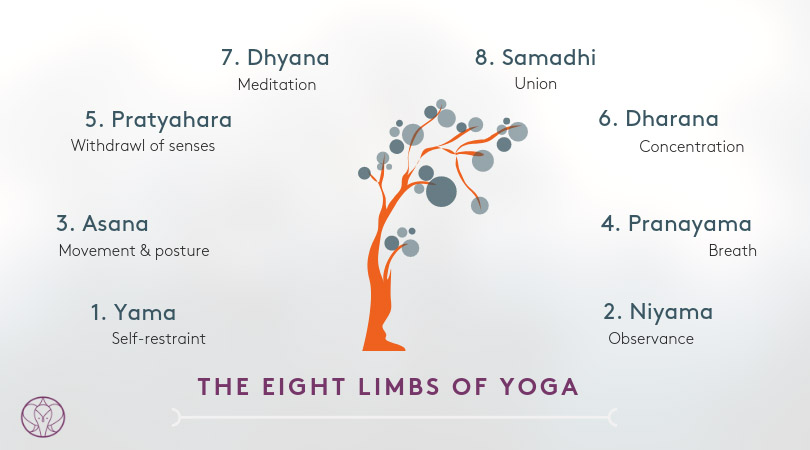
The 8 limbs of yoga are the eight practices Patanjali lists in the Yoga Sutras (2.29): yama (restraints), niyama (observances), asana (posture), pranayama (breath regulation), pratyahara (withdrawal of the senses), dharana (concentration), dhyana (meditation) and samadhi (absorption). Together...
Posted on
Yoga philosophy

The 7 Chakras: A Beginner's Guide to Names, Order and Meaning

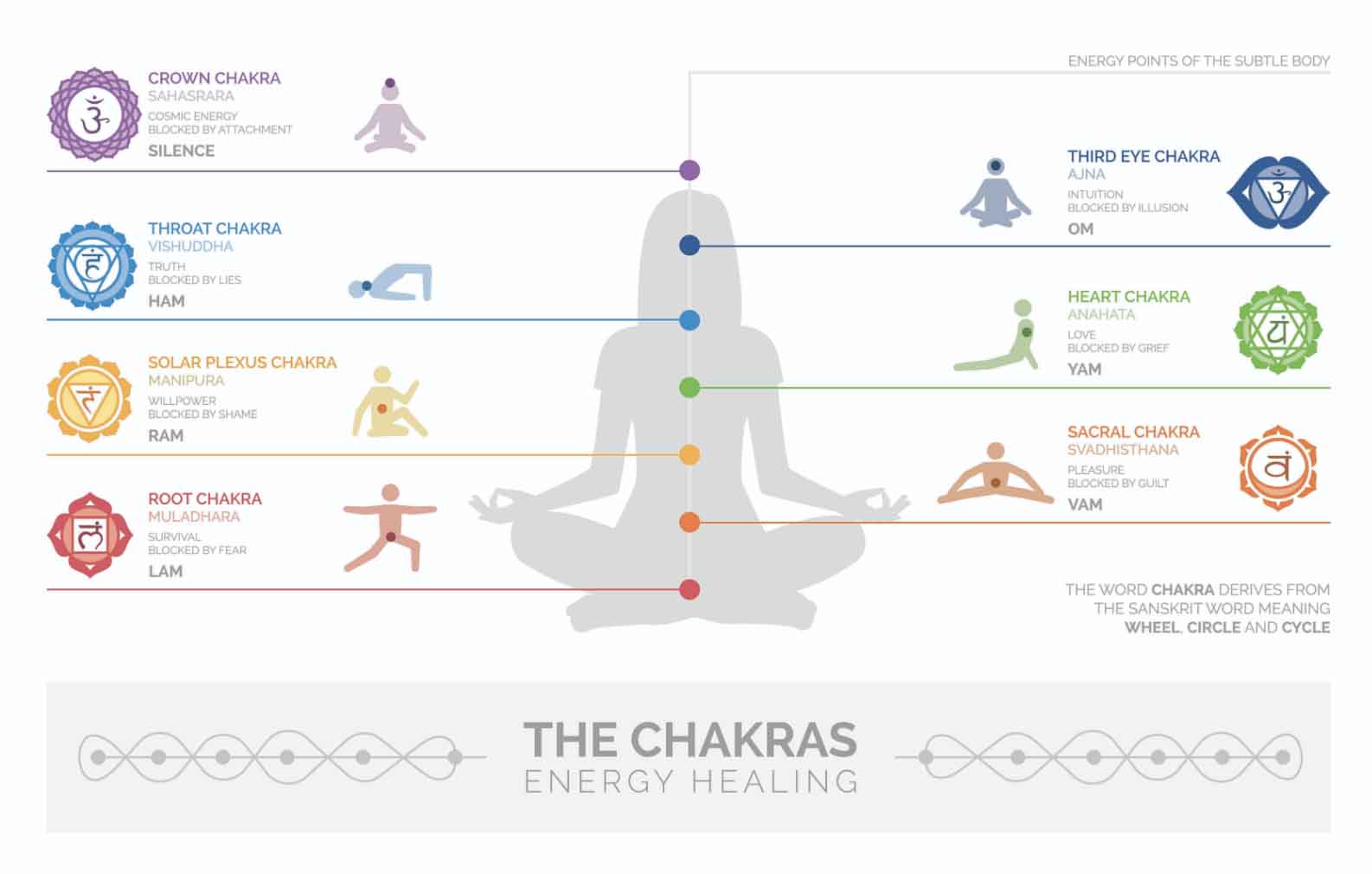
The seven chakras are energy centres that the yoga tradition places along the spine, from the base of the spine to the crown of the head: Muladhara (root), Svadhisthana (sacral), Manipura (solar plexus), Anahata (heart), Vishuddha (throat), Ajna (third eye) and Sahasrara (crown). Chakra is...
Posted on
Yoga philosophy

The 5 Niyamas of Yoga: Meaning and How to Practise Them

The niyamas are the five personal observances of yoga: Saucha (cleanliness), Santosha (contentment), Tapas (discipline), Svadhyaya (study) and Ishvara Pranidhana (devotion or surrender). Patanjali lists them in Yoga Sutra 2.32 as the second of the eight limbs of yoga, right after the yamas. The...
Posted on
Yoga philosophy

The 5 Yamas of Yoga: Meaning, Sutras and How to Practise Them

The yamas are the five ethical restraints that open the eight limbs of yoga in Patanjali's Yoga Sutras: ahimsa (non-harming), satya (truthfulness), asteya (non-stealing), brahmacharya (restraint of the senses, traditionally celibacy) and aparigraha (non-grasping). They describe how you treat...
Posted on
Yoga philosophy