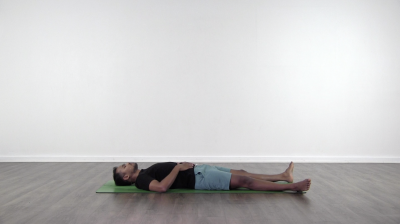
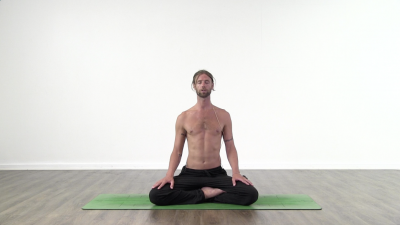
Pranayama Breathing Practice
Pranayama breath practice for body, mind, and energy
For more thorough descriptions of the practice itself, Patanjali’s collection of aphorisms Yoga Sutra (compiled prior to 400 CE) and Svami Svatmarama’s yoga manual Hatha Yoga Pradipika (fifteenth-century CE) are the oldest Hindu sources. In Yoga Sutra, Pranayama is identified as the fourth limb of Patanjali’s eightfold path towards enlightenment. In Hatha Yoga Pradipika, different techniques of Pranayama are defined and described. This later source is the one that mostly influenced the modern yoga practice of yoga breathing exercises.
Breath exercises for body, mind and energy
Ujjayi pranayama, Bhramari, Kaphalabati Pranayama - Breath of fire or Skull shining breath, Anuloma Viloma - Nadi shodana, Chandra Bhedana, Sitali the cooling cooling breath, Brahma mudra, Jivha bandha, Uddiyana bandha, Simha Mudra - Lions breath, Agni Sara
Most yoga schools today use Pranayama as part of their practice. Though most use it merely as an addition to their regular routine of postures and very few, understand its full complexity. In modern yoga, we give much more attention to physical postures, but in pre-modern yoga in India, it was prāṇāyāma that was given the highest importance. Hatha yoga uses the body as a tool for energetic and psychological transformation sometimes through yoga poses, but the most profound and effective way of doing that is through the breath and the techniques of pranayama.
Some old texts see pranayama breathing as preparation for deep meditation while others see it as a way to go to full liberation on its own. There are several different types of yoga. Initially, we practice pranayama more of the calming ones that bring our nervous system into a state of health and balance. We must develop a strong foundation before we start working with more stimulating pranayamas and beginning the process of energetic transformation.
At Yogateket, we offer Pranayama as a separate practice in which you can go deeply into it. It’s also a part of our Meditation, Hot 26, Ashtanga Vinyasa, Hatha yoga, and Vinyasa flow classes. (sometimes in savasana).
For holistic health, it is one of the best things you can do. But even more importantly it will help reveal a deeper understanding of reality to one who is patient and committed. Studies has shown significant influences on the parasympathetic nervous system in yoga adults performing yogic breathing as Alternate nostril breathing.
How do I start with Pranayama yoga?
4 Programs

Pranayama Program Level 1
Pranayama works mainly on the nervous system. A slow, trained breath helps you meet stress, brings a calmer mind and gives you more energy. Like any practice, it needs regular work before you really feel it.
This eight week program is a good place to begin your relationship with Pranayama. Each week has a short information video with the new techniques and themes, and one practice class. Ideally you do the practice class every day that week, or on as many days as you can. Start with When and How.
- Week 1: relaxation, belly breathing and a double length exhale. Week One Practice
- Week 2: the first classical techniques, Nadi Shodhana and Bhramari. Week Two Practice
- Week 3: Uddiyana Bandha Kriya and Kapalabhati. Week Three Practice
- Week 4: Agni Sara, Sitali and Ujjayi. Week Four Practice
- Week 5: Simha Mudra, Jivha Bandha and Brahma Mudra for the face, jaw and neck. Week Five Practice
- Week 6: the bandhas, Mula Bandha and Uddiyana Bandha. Week Six Practice
- Week 7: a traditional practice with more silence. Week Seven Practice
- Week 8: Surya Bhedana and refined Kapalabhati. Week Eight Practice
When you are done, Continuing With Practice shows you how to keep going. Level 1-2. Uddiyana Bandha Kriya, Agni Sara and Kapalabhati are not for pregnancy or during your menstrual cycle, and the videos tell you what to do instead.

Yoga Therapy
Accessible for everyone. This program is for you who live with postural problems, a stiff neck or back, or long days at the computer. It is also a good place for beginners to start, or for anyone who wants to go back to the foundation of their practice.
We use a lot of simple spinal twists and bends. The aim is to work on the mobility of the spine and to start to correct postural imbalances, so the spine can move freely. Core strength comes in step by step, because posture problems often go together with a weak core.
- Week 1: Intro Talk, then Our Practice Starts Here and Physiotherapy Movements, a mix of yoga and physiotherapy movements.
- Week 2: Strong and Stable House and Developing Appropriate Core Strength, with more time on strength.
- Week 3: Letting Go of Poor Posture and We Bring it Together, where we stabilise the spine and tie everything together.
The classes are 30 to 45 minutes, level 1-2, with no props. Afterwards, repeat the classes that helped you most. If you have pain, check with your doctor or physiotherapist before you start.

Whole30 Yoga Practice Program
Want to bring more movement into your life? This program gives you 30 days of yoga, movement, breathing and mindfulness, one class a day. It started as a companion to the Whole30 timeline, but anyone can start it on any day.
The classes come from across Yogateket's library and teachers, so you get to try a bit of everything:
- Week 1 mixes a steady Vinyasa flow like A Well Rounded Class with an evening wind-down in Halftime: Winding Down, the Loving Kindness Meditation and your first Simple Breathing Practice.
- Week 2 brings standing work in Yoga 20: Stand Tall, passive backbends in Lean Back and Relax: Passive Backbends, the first strength workout, Let's Begin, and Yoga for the Face.
- Week 3 goes from the gentle Easy Flow to Short Ashtanga Practice and Deep Relaxation Practice.
- Week 4 builds strength with 15 Minute Core and Strengthen Your Hamstrings, and slows down with Meditation for A Restless Mind.
- Week 5 ends with Jump into Malasana and Hips and Shoulders.
The classes are 10 to 60 minutes long, mostly level 1-2. Keep a pair of blocks nearby.

Weekly Pranayama Program
Interested in learning pranayama, deepening a practice you already have, or getting more regular with it? This program gives you a breathing practice for each day of the week.
Each class uses two techniques chosen to suit the day, and ends with a good Savasana. Do any day as a single class, or cycle through the whole week. Start with the Information.
- Beat the Monday Blues: Nadi Shodhana and Sitali.
- Tune Into Tuesday: Ujjayi and Nadi Shodhana.
- Wander in Peace Wednesday: Nadi Shodhana and Bhramari.
- Turn on Thursday: Surya Bhedana and Sitali.
- That Friday Feeling: Surya Bhedana and Sitkari.
- Soothing Saturday: Chandra Bhedana and Bhramari.
- Settle into Sunday: Ujjayi and Chandra Bhedana.
Level 1-2, no props needed. If you are pregnant or on your cycle, change Surya Bhedana to Chandra Bhedana.
2 Challenges

Step Out Of Your Yoga Comfort Zone
This one week yoga challenge is a tool to grow and to step out of your yoga comfort zone.
If you don't try new classes and teachers regularly, this might be a challenge, and a rewarding one. In seven days you try six teachers and five different styles of yoga:
- Slow Strength, slow Hatha strength with Daniel Scott.
- Varying Variations, a playful Vinyasa flow with Lauren Matters.
- En-light-enment, the air element with Linnea Ahlgren.
- Ashtanga Vinyasa Intro, your first taste of Ashtanga with Sofia Soori.
- Yin Hips Practice, long Yin holds with Sofia Soori.
- Lower Body Love, legs and balance with Lizette Pompa.
- Back to Balance with Pranayama, a breathing practice with Guy Powiecki.
The classes are 20 to 45 minutes, level 1-2. "When was the last time you did something for the first time?"
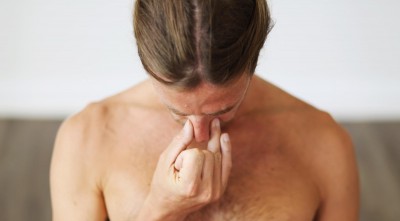
21-Day Pranayama Breathing Challenge
Our first and last actions in this world are a breath. Breathing is one of our most vital processes and affects how we feel, in body and mind. Yet few of us are aware of how we breathe, let alone train the breath.
Now is the time to start. This challenge uses simple movements and breathing exercises to create an easier, more efficient breath. Each day builds on the last, letting go of poor breathing patterns and developing good ones. Start with the 21 Day Challenge Info.
- Week 1 frees the breath: Freeing the Breath, Belly Breathing, A Perfect Pause and Freediving.
- Week 2 builds a full breath: Three-Part Breath, Now We're Breathing, Digestive Health and Find the Rhythm.
- Week 3 brings in classical pranayama: To Balance, Victorious, Cool and Shining Skull, and ends with Congratulations.
The classes are 15 minutes a day, level 1-2, no props needed. Completion tells you how to keep going.