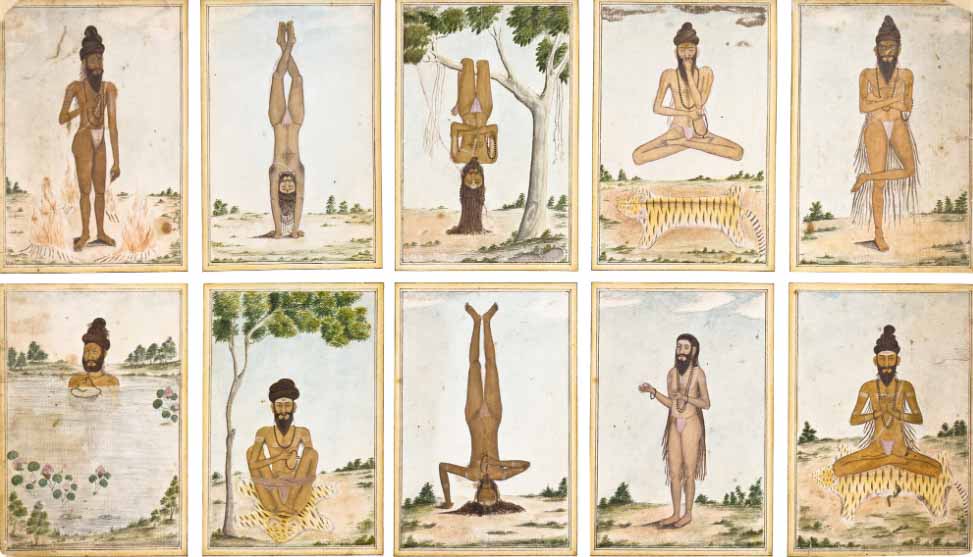
Hatha Yoga Pradipika: What the Classic Hatha Text Teaches

The Hatha Yoga Pradipika is a Sanskrit handbook of hatha yoga compiled by the yogi Svatmarama in the 15th century CE. In about 390 verses over four chapters it teaches postures (asana), purification practices, breath retention (pranayama), locks and seals (bandha and mudra), and meditation on...
Posted on
Yoga Sanskrit terms

Ananda Meaning: Bliss in Yoga, Vedanta and Buddhism

Ananda (Sanskrit: आनन्द, ānanda) means bliss, or deep joy. In yoga and Vedanta it names a happiness that does not depend on anything outside you, and the Upanishads use it to describe the nature of Brahman, the ultimate reality. It is also a common name in India, the name of the...
Posted on
Yoga Sanskrit terms

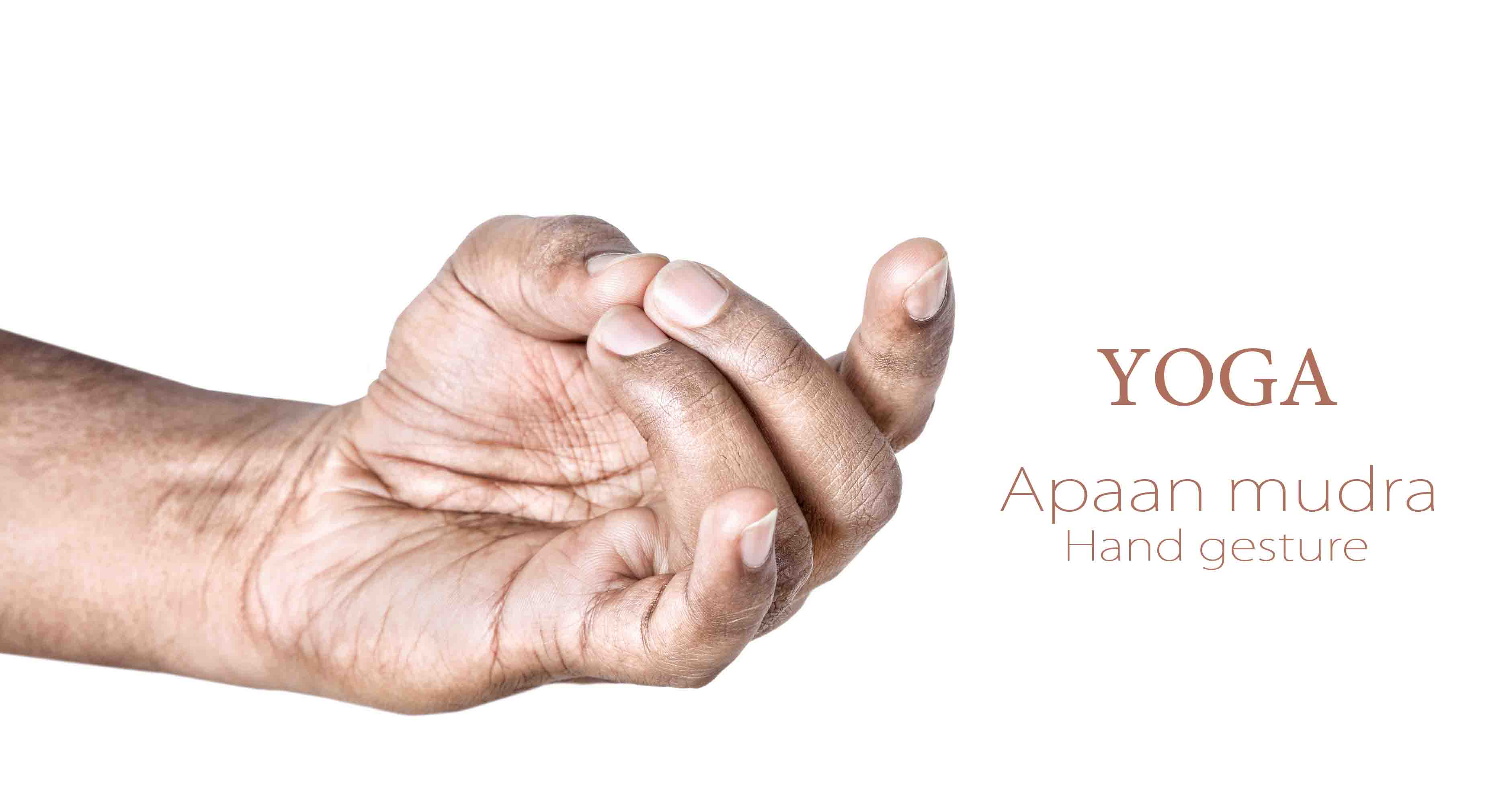
Hasta Mudras: 8 Yoga Hand Mudras and How to Do Them

Hasta mudras are yoga hand gestures: you touch, fold or press particular fingers together and hold the shape while you sit, breathe or meditate. Hasta means hand and mudra means seal or gesture. The eight below are the ones you meet most often in yoga classes, and each takes less than a minute...
Posted on
Yoga Sanskrit terms

The 5 Yamas of Yoga: Meaning, Sutras and How to Practise Them

The yamas are the five ethical restraints that open the eight limbs of yoga in Patanjali's Yoga Sutras: ahimsa (non-harming), satya (truthfulness), asteya (non-stealing), brahmacharya (restraint of the senses, traditionally celibacy) and aparigraha (non-grasping). They describe how you treat...
Posted on
Yoga Sanskrit terms

Asana: The Third of the 8 Limbs of Yoga Explained

Asana (Sanskrit: आसन) is the third of the eight limbs of yoga and means "seat". In Patanjali's Yoga Sutras, asana is a posture that is steady and comfortable, a seat you can hold for meditation. In yoga classes today the word means any yoga pose, from Mountain Pose to a handstand. What...
Posted on
Yoga Sanskrit terms