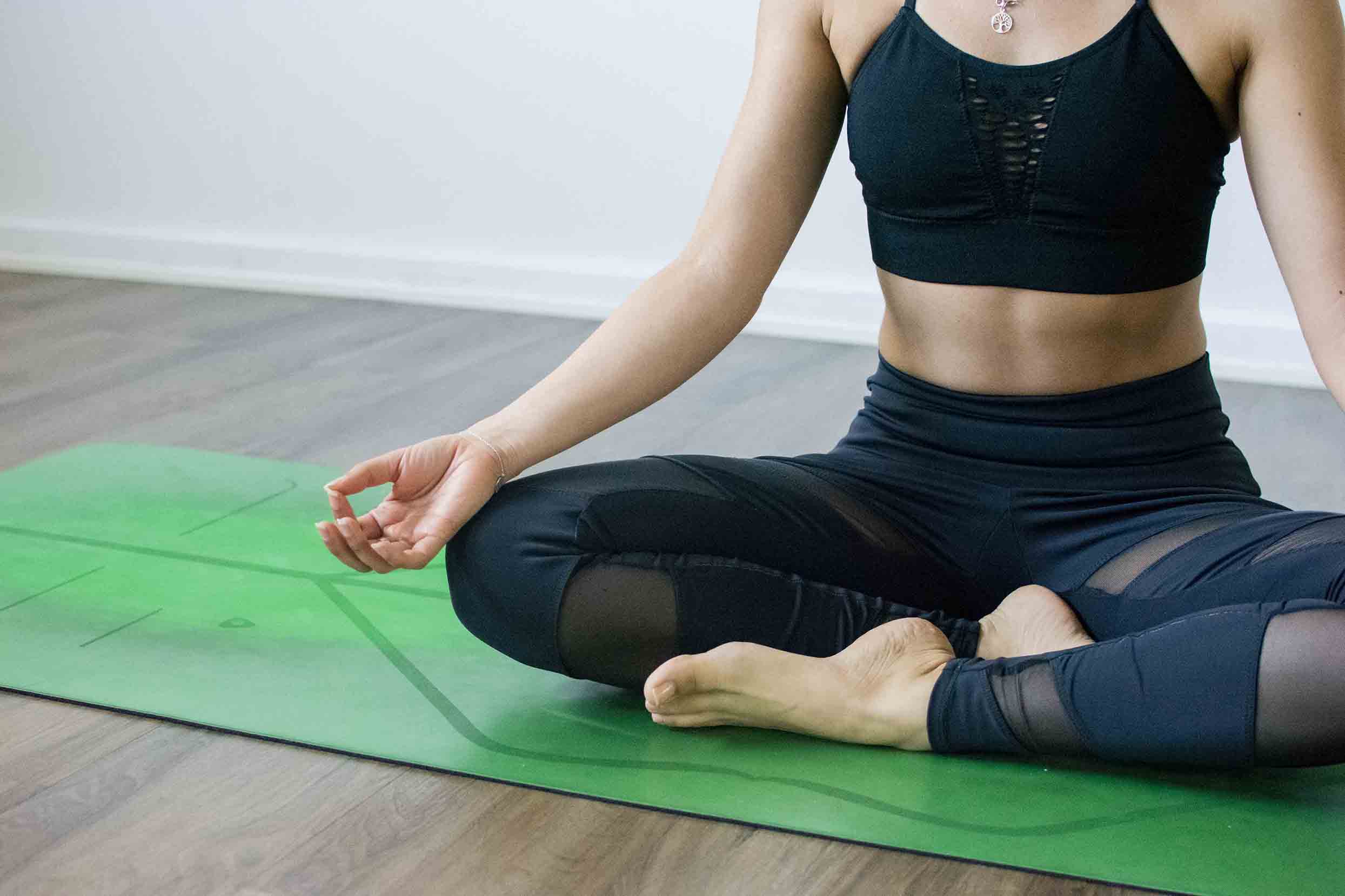
Mula Bandha (Root Lock): What It Is and How to Practice It

Mula Bandha (Root Lock) is a yoga technique in which you gently draw the pelvic floor in and up, at the point between the pubic bone and the tailbone. Mula means root and bandha means lock or bind. It is used in pranayama, in seated meditation and, in styles like Ashtanga, as a light engagement...
Posted on
Yoga Anatomy

Glutes and Yoga: Glute Anatomy, Poses to Strengthen and Stretch

The glutes are the three muscles of the buttock: gluteus maximus, gluteus medius and gluteus minimus. The maximus extends the hip, the way it does when you stand up from a squat or lift your hips in Bridge Pose. The medius and minimus hold the pelvis level when you stand on one leg. In yoga you...
Posted on
Yoga Anatomy

Scapula and Yoga: Shoulder Blade Anatomy, Movements and Stability Poses

The scapula, or shoulder blade, is the flat triangular bone on the back of the ribcage that the arm hangs from. It is held to the trunk almost only by muscles, so it can glide up, down, apart, together and rotate. In yoga, a healthy shoulder needs both: the scapula has to move freely when you...
Posted on
Yoga Anatomy

Core and Yoga: Core Muscles and the Best Yoga Poses for Core Strength

Your core is the group of muscles that wraps the trunk between the ribs and the pelvis: the abdominal wall, the deep back muscles, the diaphragm on top and the pelvic floor underneath. In yoga its main job is to hold the spine and pelvis steady while the arms and legs move. You work it in poses...
Posted on
Yoga Anatomy

Arm Position in Downward-Facing Dog: How to Rotate Your Arms

In Adho Mukha Svanasana (Downward-Facing Dog), the arms work best straight, hands shoulder-width apart, with the upper arms turning outward while the hands keep pressing down through the base of the index finger. That outward turn widens the shoulder blades across the back and makes room between...
Posted on
Yoga Anatomy