Hatha Yoga Pradipika: What the Classic Hatha Text Teaches

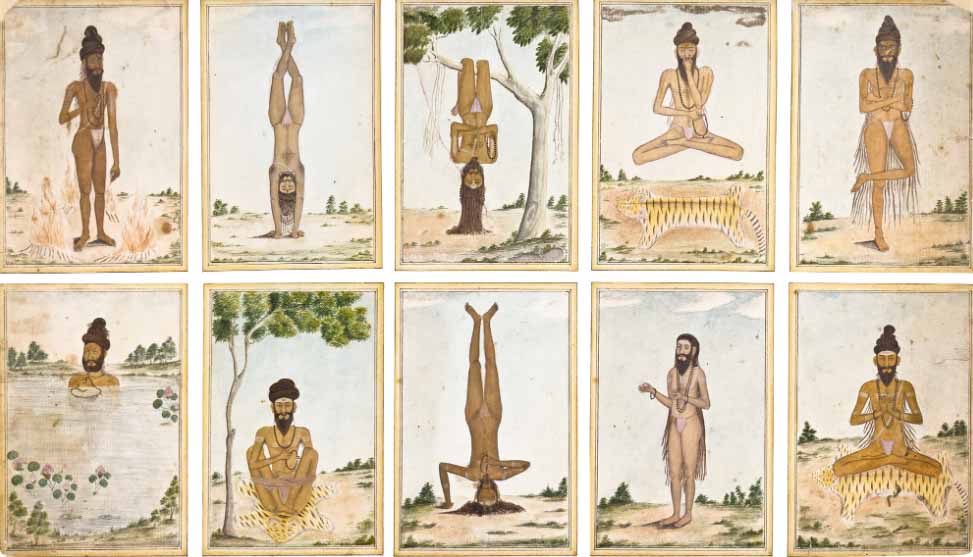
The Hatha Yoga Pradipika is a Sanskrit handbook of hatha yoga compiled by the yogi Svatmarama in the 15th century CE. In about 390 verses over four chapters it teaches postures (asana), purification practices, breath retention (pranayama), locks and seals (bandha and mudra), and meditation on inner sound. It is the best known of the classical hatha texts and the one modern yoga teachers quote most often.
What does Hatha Yoga Pradipika mean?
The title breaks down into three parts:
- Hatha (हठ): force, effort. In the early texts, hatha yoga is the yoga of forceful methods, working through the body and the breath.
- Yoga (योग): union, discipline, practice.
- Pradipika (प्रदीपिका): a small lamp, a light. In Sanskrit titles it means an explanation that sheds light on a subject.
Put together: "a light on hatha yoga". Some manuscripts call the text Hathapradipika.
You will also read that ha means sun and tha means moon, so hatha yoga unites the solar and lunar energies of the body. That reading is old, and it appears in later yoga texts and in the 19th century commentary on the Pradipika by Brahmananda. The literal meaning of the word is force. Both can sit side by side, as long as the sun and moon reading is presented as a symbolic interpretation.
Who wrote it, and when?
The author calls himself Svatmarama, a yogi in the Nath tradition. Almost nothing else is known about him. Scholars date the text to around the middle of the 15th century, because it quotes earlier works and is quoted by later ones.
Svatmarama did not claim to invent anything. He gathered verses from earlier hatha and yoga texts, often word for word, and arranged them into one manual. Researchers such as James Mallinson have traced much of the Pradipika to around twenty older sources. In the opening chapter Svatmarama names a line of siddhas, accomplished yogis, beginning with Adinatha (a name for Shiva), Matsyendranath and Gorakshanath. Depending on how you count, the list has 33 to 35 names.
He also says what the whole practice is for. Hatha yoga, verse 1.2 says, is taught for the sake of raja yoga: the body and breath work prepares the mind for deep meditation.
The four chapters
The best known version, used by most English translations, has four chapters. Some manuscripts divide the same material into five, six or even ten chapters.
Chapter 1: asana
The first chapter opens with the lineage, describes where to practise (a small, quiet hut, out of sight) and gives the conditions for success. It then describes 15 postures. Most are seated or lying down: Padmasana (Lotus Pose), Siddhasana, Gomukhasana (Cow Face Pose), Paschimottanasana (Seated Forward Bend), Matsyendrasana, the seated twist, Dhanurasana (Bow Pose), Mayurasana (Peacock Pose) and Savasana (Corpse Pose) among them. The chapter closes with advice on diet, mitahara: moderate, simple food.
Chapter 2: pranayama and the six purifications
The second chapter is about the breath. It opens with the line most teachers know: when the breath moves unsteadily, the mind is unsteady, and when the breath is still, the mind is still. It describes the shatkarmas, six purification practices (dhauti, basti, neti, trataka, nauli and Kapalabhati), and then eight kinds of kumbhaka, breath retention: Surya Bhedana, Ujjayi, Sitkari, Sitali, Bhastrika, Bhramari, Murchha and Plavini. The text says the purifications are needed only by those with an excess of fat or phlegm.
Chapter 3: mudras and bandhas
The third chapter teaches ten mudras, seals that direct the breath and attention. Among them are the three locks: Mula Bandha (Root Lock), Uddiyana Bandha and Jalandhara Bandha. The others include Mahamudra, Khechari Mudra (the tongue turned back into the throat) and Viparita Karani, an inversion. The stated aim is to awaken kundalini, pictured as a coiled serpent at the base of the spine, and draw the breath into the central channel, sushumna. Our guide to nadis, the channels of subtle energy, explains the map behind these ideas.
Chapter 4: samadhi and inner sound
The last chapter describes samadhi, absorption, and the method Svatmarama rates highest: nadanusandhana, listening to the inner sound. You sit, close the ears, and follow a subtle sound inside until the mind dissolves into it. Here the Pradipika comes back to where it started: the physical work was always a preparation for this.
What the text says about practice
Some of the most quoted verses are practical advice. Verse 1.15 lists six things that ruin practice: overeating, overexertion, too much talking, rigid rules, bad company and a restless mind. Verse 1.16 lists six that bring success: enthusiasm, perseverance, discernment, firm faith, courage and keeping away from bad company.
Another verse says that anyone who practises will succeed, young or old, sick or weak. The text is clear that success comes from doing the practice, and that reading about it or wearing the clothes of a yogi does not count.
In chapter 2 it lists the signs that the practice is working: a lean body, a bright face, clear eyes, good digestion, freedom from illness and the inner sound becoming audible.
How the Pradipika relates to hatha yoga today
A modern hatha yoga class and the Hatha Yoga Pradipika share a name and some postures, and not much more. The text has no Sun Salutation, no Warrior poses and no standing sequences. Its asanas mostly serve one purpose: to sit steadily for long periods of breath work. The breath retention, the locks and the inner sound, which fill most of the book, take up little time in a typical studio class.
The standing, flowing yoga most people practise today took shape in the 20th century, with teachers such as T. Krishnamacharya in Mysore, who drew on the older texts but also on gymnastics and his own inventions. The Pradipika is one root of modern yoga, and an important one. It is not a description of it. If you want to see how the modern system is usually explained, read our introduction to hatha yoga and the 8 limbs of yoga from Patanjali's Yoga Sutras, the other text teachers quote most.
Where sources disagree
How old is hatha yoga? Popular books often say hatha yoga is thousands of years old. The oldest known texts that teach hatha yoga by name date from around the 11th to 13th centuries CE. Some of the techniques are older, and ascetic practice with the body goes back much further in India. Treat "ancient" claims about specific postures with care: most of the 15 asanas in the Pradipika appear in writing for the first time in the medieval period.
What do the health claims mean? The Pradipika promises a great deal. It says correct pranayama removes all disease and that some mudras conquer death. A teacher with a medical background reads these as the language of a medieval religious text. They are not clinical findings. Modern research on slow breathing and yoga supports more modest effects, like calmer breathing and lower stress in some groups. The text itself also warns that pranayama done wrongly causes illness, and asks for a teacher.
What about the practices modern teachers leave out? Some parts of the text, such as vajroli mudra and certain internal washing techniques, are rarely taught today and some are unsafe without close guidance. Translations differ in how openly they render these verses. That is one reason two English editions can read quite differently.
Which translation should you read? The 1914 translation by Pancham Sinh is free and widely available, but its English is dated. The Bihar School of Yoga edition by Swami Muktibodhananda includes a long commentary from its own tradition. Academic readers often go to the work of James Mallinson and Mark Singleton, whose book Roots of Yoga (2017) sets the Pradipika next to the texts it borrowed from.
If you want to practise what the second chapter describes, our Pranayama Level 1 program starts with the basic breaths, one short class at a time.
Frequently asked questions
Can you explain the Hatha Yoga Pradipika in short?
It is a 15th century Sanskrit manual by Svatmarama that teaches hatha yoga in four chapters: postures, breath work with purification practices, locks and seals, and meditation on inner sound. Its stated goal is to prepare body and mind for raja yoga, deep meditation.
How many asanas are mentioned in the Hatha Yoga Pradipika?
Fifteen asanas are described. The text also says that Shiva taught 84 postures, but it only describes 15, and it names four of them (Siddhasana, Padmasana, Simhasana and Bhadrasana) as the most important.
What are the 15 asanas listed in the Hatha Yoga Pradipika?
Swastikasana, Gomukhasana, Virasana, Kurmasana, Kukkutasana, Uttana Kurmasana, Dhanurasana, Matsyendrasana, Paschimottanasana, Mayurasana, Savasana, Siddhasana, Padmasana, Simhasana and Bhadrasana.
Who wrote the Hatha Yoga Pradipika?
A yogi called Svatmarama, from the Nath tradition, around the middle of the 15th century. He compiled much of it from earlier texts and says so by naming the teachers before him.
Is the Hatha Yoga Pradipika still relevant?
Yes, as a source. It explains where many practices you meet in class come from: Ujjayi, Kapalabhati, the bandhas, Savasana and the idea that breath and mind move together. Its medical promises and some of its techniques should not be followed literally, and its breath retention practices are best learned from a teacher.
What are the other classical hatha yoga texts?
The two most often named alongside it are the Gheranda Samhita, a later text from around the 17th century that describes 32 postures, and the Shiva Samhita. Several older texts, such as the Dattatreyayogashastra, were sources for the Pradipika itself.
Should a beginner read the Hatha Yoga Pradipika?
It is short and readable in a good translation, and it gives useful background to what you practise. Read it as a historical text. Do not try the purification practices or long breath retentions on your own from the book.