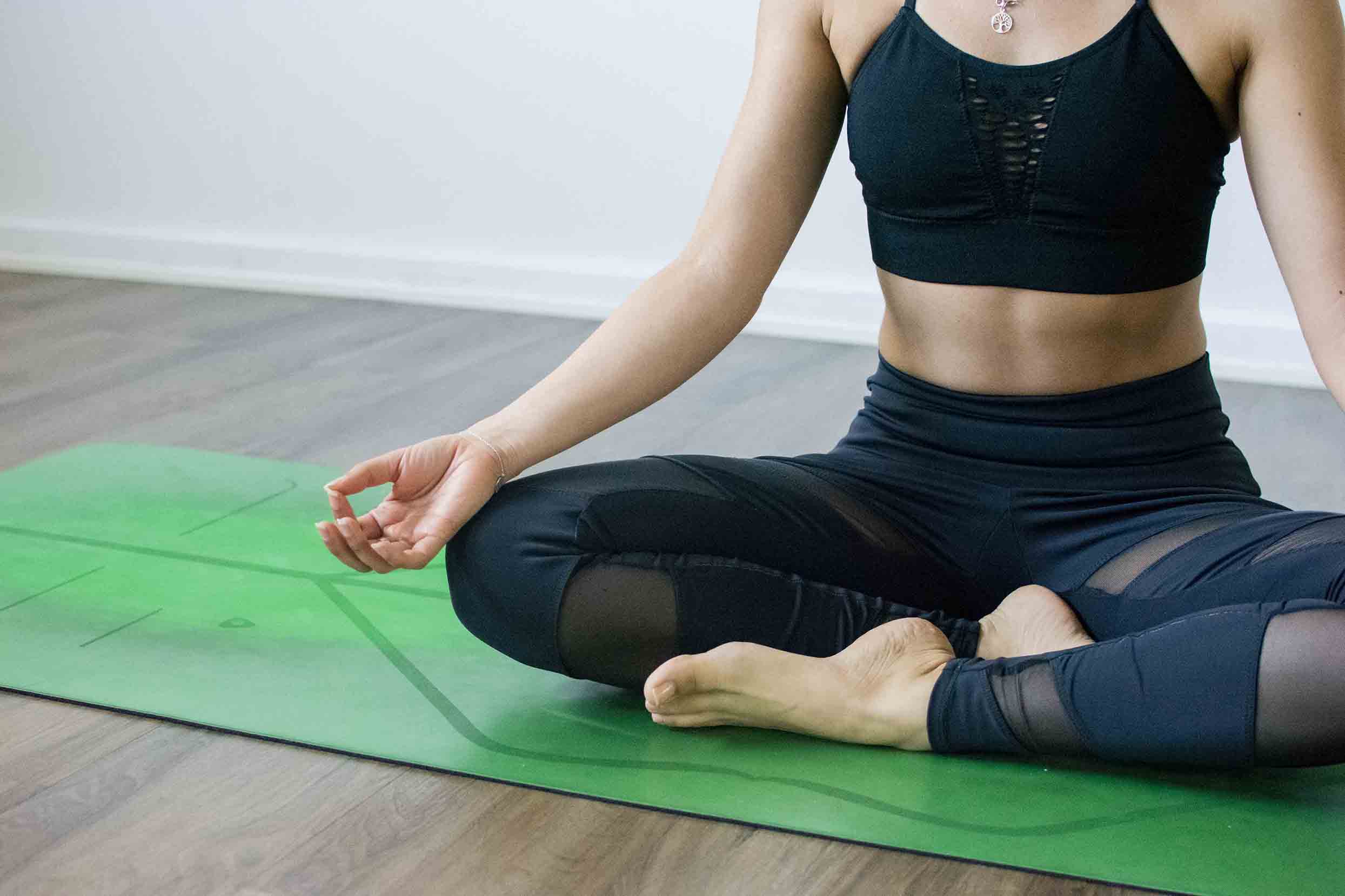
Mula Bandha (Root Lock): What It Is and How to Practice It

Mula Bandha (Root Lock) is a yoga technique in which you gently draw the pelvic floor in and up, at the point between the pubic bone and the tailbone. Mula means root and bandha means lock or bind. It is used in pranayama, in seated meditation and, in styles like Ashtanga, as a light engagement...
Posted on

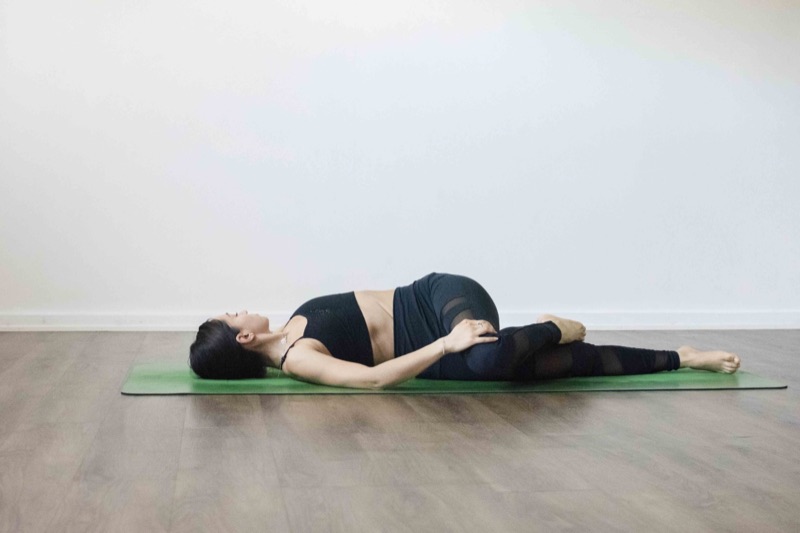
Yoga Twists: What They Do and How to Twist Safely

Yoga twists are poses in which you rotate your spine, turning the chest one way while the hips stay steady or turn the other way. They move the middle back, stretch the muscles along the ribs and waist, and train the obliques that make the rotation. The popular claim that twists wring waste out...
Posted on

Brahmacharya: Meaning, Rules and How to Practise It

Brahmacharya (Sanskrit: ब्रह्मचर्य) is the fourth of the five yamas, the ethical restraints in Patanjali's Yoga Sutras. The word means "conduct that leads toward Brahman". In the older tradition it means celibacy, especially for a student of the Veda. Most modern yoga...
Posted on

Asteya (Non-Stealing): Meaning, Examples and How to Practise It

Asteya (Sanskrit: अस्तेय) means "non-stealing": not taking what has not been given to you. It is the third of the five yamas, the ethical restraints that open Patanjali's eight-limbed path in the Yoga Sutras. The classical commentary adds a second layer: asteya also means letting go...
Posted on

Aparigraha (Non-Greed): Meaning and How to Practise It

Yoga Philosophy

What Is Hatha Yoga? Meaning, History and What a Class Is Like

Yoga Traditions

Granthi: The Three Knots in Yoga Explained

Yoga Lingo

Goraksha (Gorakhnath): The Yogi Behind Hatha Yoga

Yoga Lingo

Duhkha (Dukkha): Meaning of Suffering in Buddhism and Yoga

Yoga Lingo

Atman: Meaning of the True Self in Yoga and Hinduism

Yoga Lingo

Anga Meaning: The Limbs of Yoga and the Word Behind Ashtanga

Yoga Lingo

Brahma: The Hindu Creator God and His Place in Yoga

Yoga Lingo