Mula Bandha (Root Lock): What It Is and How to Practice It

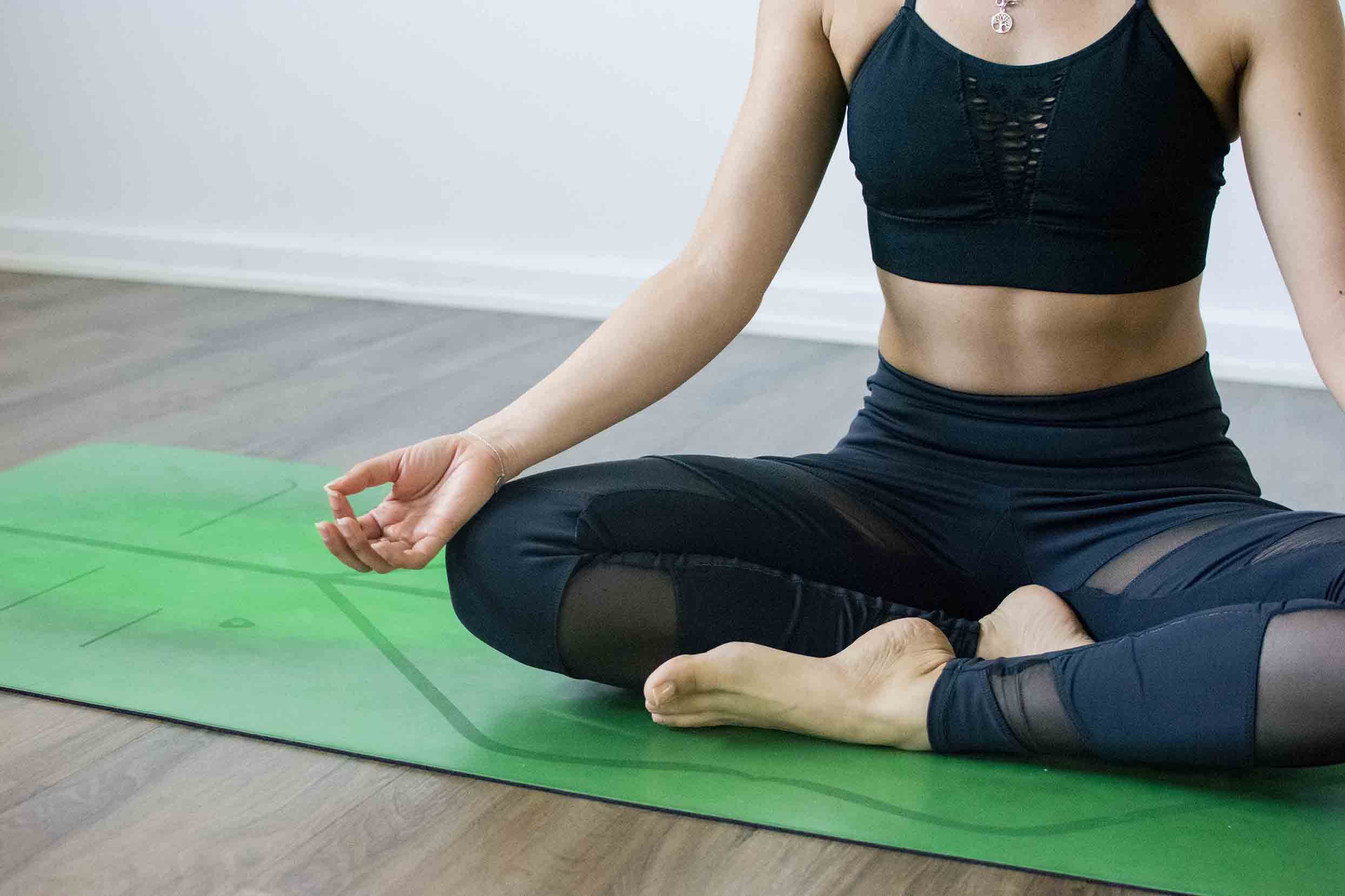
Mula Bandha (Root Lock) is a yoga technique in which you gently draw the pelvic floor in and up, at the point between the pubic bone and the tailbone. Mula means root and bandha means lock or bind. It is used in pranayama, in seated meditation and, in styles like Ashtanga, as a light engagement that runs through the whole practice.
Type: bandha (energy lock), used in pranayama, meditation and asana. Level: beginner to learn, years to refine. Props: a cushion or folded blanket to sit on.
What does Mula Bandha mean?
The name is two Sanskrit words:
- Mula (मूल): root, base, foundation.
- Bandha (बन्ध): a lock, a bind, a tie. The same word you meet in Setu Bandha Sarvangasana (Bridge Pose), where it means the building of a bridge.
Put together: the root lock. In Hindi you will also hear it called mool bandh or mulbandh. It is one of the three classic bandhas. The other two are Uddiyana Bandha, the abdominal lock, and Jalandhara Bandha, the chin lock. Used together they are called Maha Bandha, the great lock.
Where Mula Bandha comes from
The best known description is in the Hatha Yoga Pradipika, a 15th-century manual of Hatha Yoga. In chapter 3 the practitioner sits with one heel pressed against the perineum and contracts the base of the pelvis, so that apana, the downward-moving breath or energy, is drawn upward. The later Gheranda Samhita gives a similar description. In both texts the lock belongs to seated practice with breath retention, not to standing poses.
The idea of holding Mula Bandha through a whole flowing practice is much more recent. It comes from the Ashtanga Vinyasa teaching of K. Pattabhi Jois in Mysore in the 20th century, where the bandhas are named alongside the breath and the gaze as the basis of the method.
In the yoga tradition Mula Bandha is also linked to Muladhara, the root chakra at the base of the spine. You can read more about that map of the body in our beginner's guide to the seven chakras. That is a symbolic, energetic description. The muscles you use are physical and easy to name.
Which muscles does Mula Bandha use?
The pelvic floor is a hammock of muscle that closes the bottom of the pelvis, stretched between the pubic bone at the front, the tailbone at the back and the sitting bones at the sides. Its main muscle group is the levator ani. It holds up the bladder, the bowel and, in women, the uterus.
Most teachers place Mula Bandha at the centre of that hammock: the perineal body in men, and in women an area a little further in, often described as near the cervix. The Bihar School of Yoga makes a useful distinction. Squeezing the anal sphincter is a separate practice, Ashwini Mudra. Squeezing as if you stop the flow of urine is another, Vajroli or Sahajoli Mudra. Mula Bandha sits between the two, and learning it is mostly a matter of telling these apart.
How to practise Mula Bandha step by step
Start seated, with an empty bladder and a few hours after a large meal.
- Sit on a cushion in Sukhasana (Easy Pose) or another cross-legged seat. Your knees should be at or below your hips, so the spine can stand tall without effort.
- Close your eyes. Breathe through the nose for a minute and let the belly move freely with each breath.
- Squeeze the whole pelvic floor, front, middle and back, as if you hold back both urine and wind. Hold for 2-3 seconds, then let go completely. Repeat 10 times. Keep breathing throughout.
- Now isolate the back: squeeze only around the anus and release. Then the front: squeeze only as if you stop the flow of urine and release. A few rounds of each.
- Bring your attention to the point between the two, the centre of the pelvic floor. Draw that point gently in and up, about a third of your full strength. The buttocks, thighs and belly stay soft.
- Hold for 5-10 breaths without holding the breath. Then release fully and feel the difference. The release is part of the practice.
- Repeat 5-10 times. Over weeks, lengthen the hold and lower the effort until the lift feels light enough to keep while you breathe and move.
If it helps to follow a teacher, the class Find your Mula Bandha works through different ways to feel the pelvic floor.
Using Mula Bandha in pranayama and in poses
In pranayama the classical use is with breath retention. After an inhale you hold the breath, engage Mula Bandha and often the chin lock, then release the locks before you breathe out. Our guide to Kumbhaka, full breath retention explains the order. Learn the lock on its own first, with free breathing, before you combine it with holding the breath.
In asana Mula Bandha is a light lift, not a clench. In Ashtanga yoga it supports the jump back and the jump through, and it gives standing balances a steadier base. Poses that make the pelvic floor easy to find:
- Malasana (Garland Pose): the deep squat opens the pelvic floor, so you feel both the lift and the release clearly.
- Paripurna Navasana (Boat Pose): a light lift of the pelvic floor steadies the pelvis while the abdominals work.
- Setu Bandha Sarvangasana (Bridge Pose): lift the hips on an inhale and notice how the pelvic floor joins in without being forced.
With Ujjayi breath many teachers cue a slight lift of the pelvic floor at the end of the exhale and a softening as the breath comes in. It is a good way to link the lock to the breath without holding either.
Benefits of Mula Bandha
Most of what we can defend about Mula Bandha comes from research on pelvic floor muscle training, which uses largely the same muscles. There are few studies on Mula Bandha itself. Our guide to the benefits of the root lock looks at them in more detail.
- A stronger pelvic floor. Regular, repeated contraction trains these muscles like any other. Pelvic floor muscle training is a first-line treatment for stress urinary incontinence in women, and many physiotherapists recommend it after childbirth.
- Better awareness of the area. Most people cannot feel their pelvic floor at first. Learning to contract and release it on purpose gives you control you did not have before.
- A steadier base in poses. A light lift works with the deep abdominal muscles and helps hold the pelvis still in balances and transitions.
- A point of focus. In meditation and pranayama, attention on a small, precise sensation gives the mind something to rest on.
In the yoga tradition, Mula Bandha is said to reverse the downward flow of apana and draw energy up through the spine. That is how the texts describe it, and it can guide your practice. It is not something a study can confirm. Claims that Mula Bandha lowers blood pressure, regulates the menstrual cycle or cures erectile dysfunction have no good evidence behind them.
Who should skip or modify Mula Bandha
- Pelvic pain or a tight pelvic floor. If you have pain in the pelvis, painful intercourse, or trouble starting to urinate, your pelvic floor may already be too tense. More squeezing can make that worse. See a pelvic health physiotherapist and focus on release first.
- Pregnancy. Gentle pelvic floor exercise is usually recommended in pregnancy. Strong, long holds and holds combined with breath retention are not. Keep it light and follow the advice of your midwife or doctor.
- After pelvic or abdominal surgery, or after giving birth. Wait until you are cleared to exercise, then start gently.
- High blood pressure or heart conditions. Practise the lock with free breathing, not with breath retention.
- During menstruation. Some traditions advise against strong locks during the period. Let comfort decide.
Common mistakes
- Holding the breath. The most common one. If the breath stops when you engage, lower the effort until you can breathe smoothly.
- Squeezing the buttocks. Place a hand on one buttock. If it hardens, you are using the gluteal muscles. The lift happens deeper and further in.
- Clenching at full strength. Mula Bandha is closer to 20-30% of your maximum. A hard clench tires fast and spreads tension to the jaw and shoulders.
- Bearing down instead of lifting. Some people push down when they try to engage. Think of drawing a marble up into the body, not pushing it out.
- Never letting go. Holding the pelvic floor all day is not the goal. A healthy pelvic floor contracts and relaxes.
Where teachers and sources disagree
Kegel or Mula Bandha? Some teachers say they are the same thing. Others say they are different practices. Both have a point. The muscles overlap: a Kegel exercise, named after the American gynaecologist Arnold Kegel in the 1940s, trains the whole pelvic floor. Mula Bandha narrows the focus to its centre, adds a precise relation to the breath, and in the yoga tradition carries an energetic meaning a Kegel does not. On the mat, the Kegel is a good first step toward finding the lock.
Hold it all the time, or only now and then? In the Ashtanga tradition students are taught to keep a light Mula Bandha through the whole practice. Many pelvic health physiotherapists warn that a pelvic floor that never lets go can become overactive and painful. Both can be right: a light, breathing engagement during practice is a different thing from a hard clench you carry all day. If you feel tension or pain, release matters more than strength.
Where exactly is it? The Hatha Yoga Pradipika speaks of the perineum and the anus. The Bihar School separates Mula Bandha from Ashwini Mudra. Some modern teachers describe it as a lift in the lower belly, close to the deep abdominal muscles. These are different entry points to the same area. Start where you can feel something.
To learn it with a teacher, the 15-minute Bandhas Tutorial with Guy Powiecki covers Mula and Uddiyana Bandha, and our pranayama classes put both to use with the breath.
Frequently asked questions
What is Mula Bandha in English?
Mula Bandha means "root lock" in English. Mula is root or base, and bandha is lock or bind. It refers to a gentle lift of the pelvic floor, the muscles at the base of the pelvis.
Is Mula Bandha the same as a Kegel?
They use largely the same muscles, the pelvic floor. A Kegel trains the whole pelvic floor. Mula Bandha focuses on its centre, is timed with the breath and has an energetic meaning in the yoga tradition. Kegel exercises are a good way to start finding the lock.
How long should you hold Mula Bandha?
As a beginner, hold for 5-10 breaths, then release fully, and repeat 5-10 times. Keep breathing throughout. Over weeks the lift gets lighter and can be held longer, for example through a pranayama session or a whole Ashtanga practice.
What are the contraindications for Mula Bandha?
Be careful with pelvic pain or an overactive pelvic floor, in pregnancy, after pelvic or abdominal surgery and soon after giving birth. With high blood pressure or heart conditions, avoid combining the lock with breath retention. If in doubt, ask a pelvic health physiotherapist.
How do I know if I am doing Mula Bandha correctly?
You feel a small lift at the centre of the pelvic floor while your buttocks, thighs and belly stay soft and your breath keeps moving. If you hold your breath, clench your buttocks or feel strain in the jaw, use less effort.
Can men and women do Mula Bandha?
Yes. The pelvic floor muscles are the same in principle. Traditional texts place the point of contraction at the perineum in men and a little deeper, near the cervix, in women. The technique and the cues are otherwise the same.
Should I engage Mula Bandha in every yoga pose?
In Ashtanga yoga, a light Mula Bandha is kept through the practice. In other styles it is used where it helps: in balances, jumps and pranayama. It should never be a hard clench, and you should be able to let it go completely.
Practise it with a teacher
Over 600 online yoga classes and programs for $4.99 a month. Cancel any time.
Become a member