The 5 Yamas of Yoga: Meaning, Sutras and How to Practise Them

The yamas are the five ethical restraints that open the eight limbs of yoga in Patanjali's Yoga Sutras: ahimsa (non-harming), satya (truthfulness), asteya (non-stealing), brahmacharya (restraint of the senses, traditionally celibacy) and aparigraha (non-grasping). They describe how you treat...
Posted on

Asana: The Third of the 8 Limbs of Yoga Explained

Asana (Sanskrit: आसन) is the third of the eight limbs of yoga and means "seat". In Patanjali's Yoga Sutras, asana is a posture that is steady and comfortable, a seat you can hold for meditation. In yoga classes today the word means any yoga pose, from Mountain Pose to a handstand. What...
Posted on

Mula Bandha Benefits: What the Root Lock Does and What It Does Not

Mula Bandha (Root Lock) is a light lift of the pelvic floor, the sling of muscles between the pubic bone and the tailbone. Its best supported benefit is the one it shares with pelvic floor training: stronger, better controlled pelvic floor muscles, which helps with bladder leaks and pelvic...
Posted on

Balasana (Child's Pose): How to Do It Step by Step

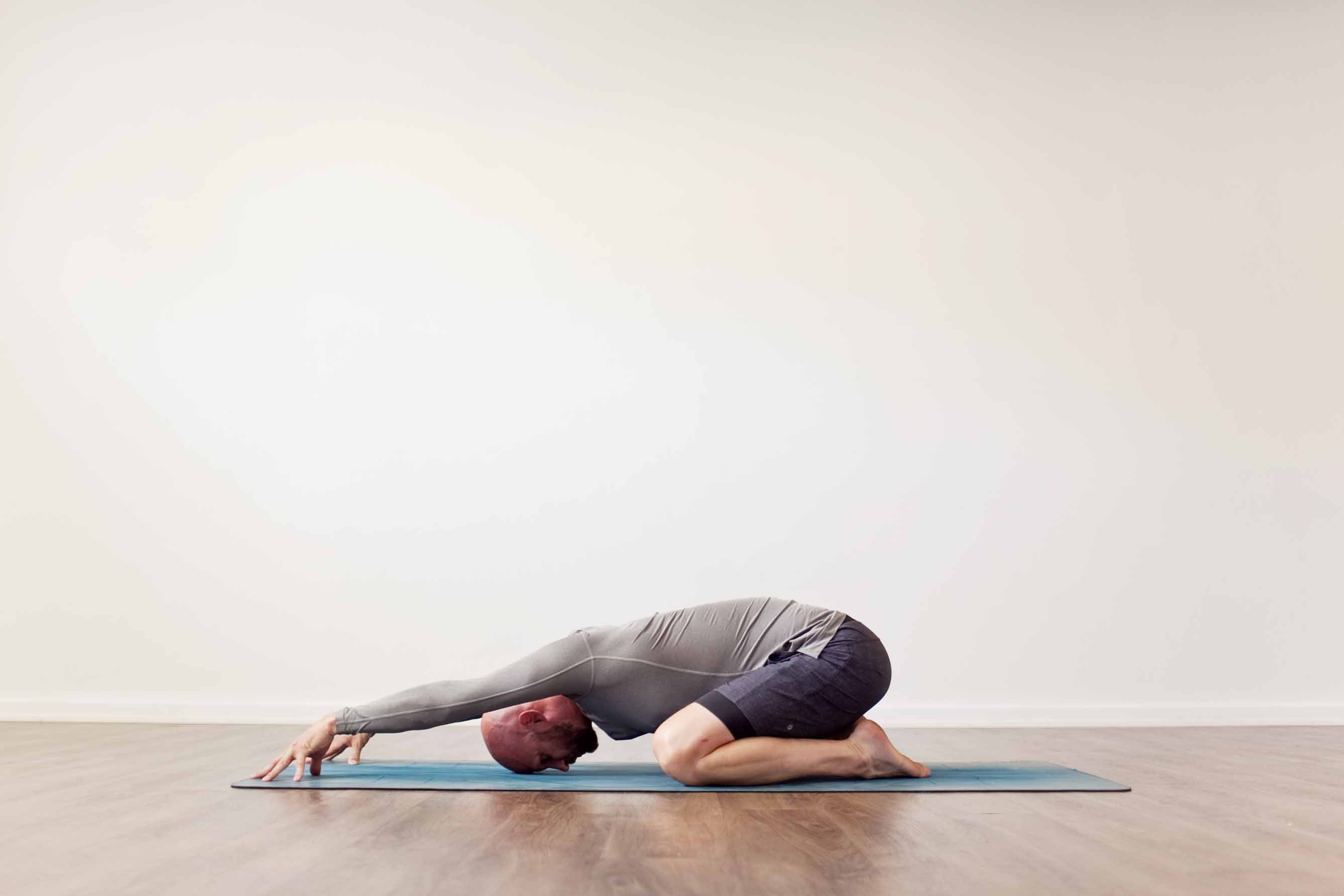
Balasana (Child's Pose) is a kneeling resting pose in which you sit back on your heels, fold your upper body over your thighs and rest your forehead on the floor. It gently stretches the back, hips, thighs and ankles, and it is the place most teachers send you when you need a break in the middle...
Posted on