Nicklas Johansson

Nicklas Johansson

Nicklas Johansson has taught yoga for 15 years. He earned his yoga teacher certification at the Bikram Yoga College of India in 2010 and became an OPEX CCP coach in 2020, so he teaches yoga poses alongside strength and conditioning. He co-founded Yogateket and owns the studio Hot Yoga Uppsala.

All posts by Nicklas Johansson

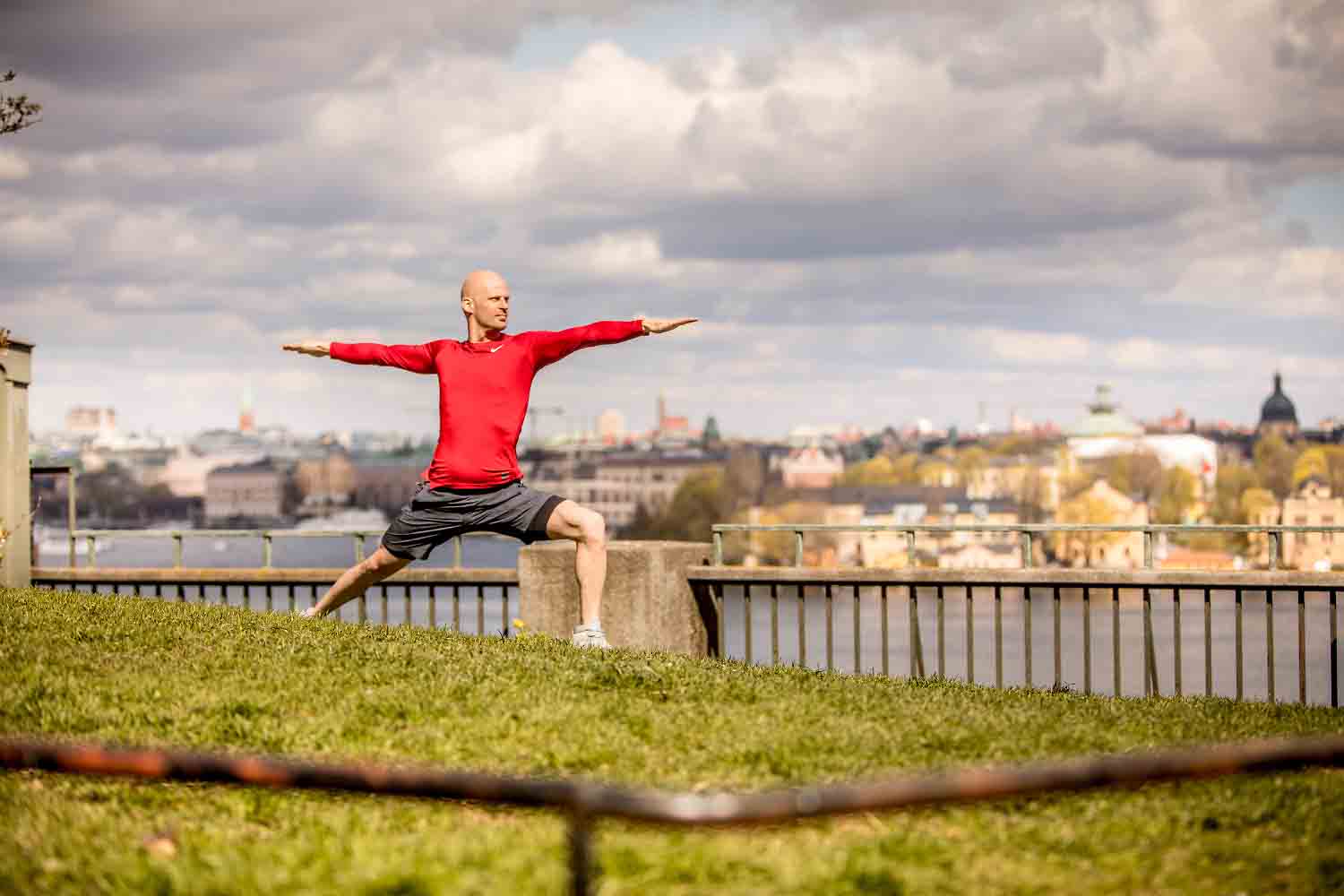
Virabhadrasana II (Warrior II): How to Do It Step by Step

Virabhadrasana II (Warrior II) is a standing yoga pose with the legs wide apart, the front knee bent over the ankle, the back leg straight and the arms stretched out at shoulder height, gaze over the front hand. It works the front thigh and the hips and opens the inner thigh of the back leg. The...
Posted on

Amrita Meaning: The Nectar of Immortality in Yoga and Hindu Texts

Amrita (Sanskrit: अमृत, amṛta; Hindi: amrit) means "immortal" and, by extension, "the nectar of immortality". In Hindu stories it is the drink that makes the gods deathless. In yoga texts it is also the name for a subtle nectar said to drip from the head during deep practice, and in...
Posted on

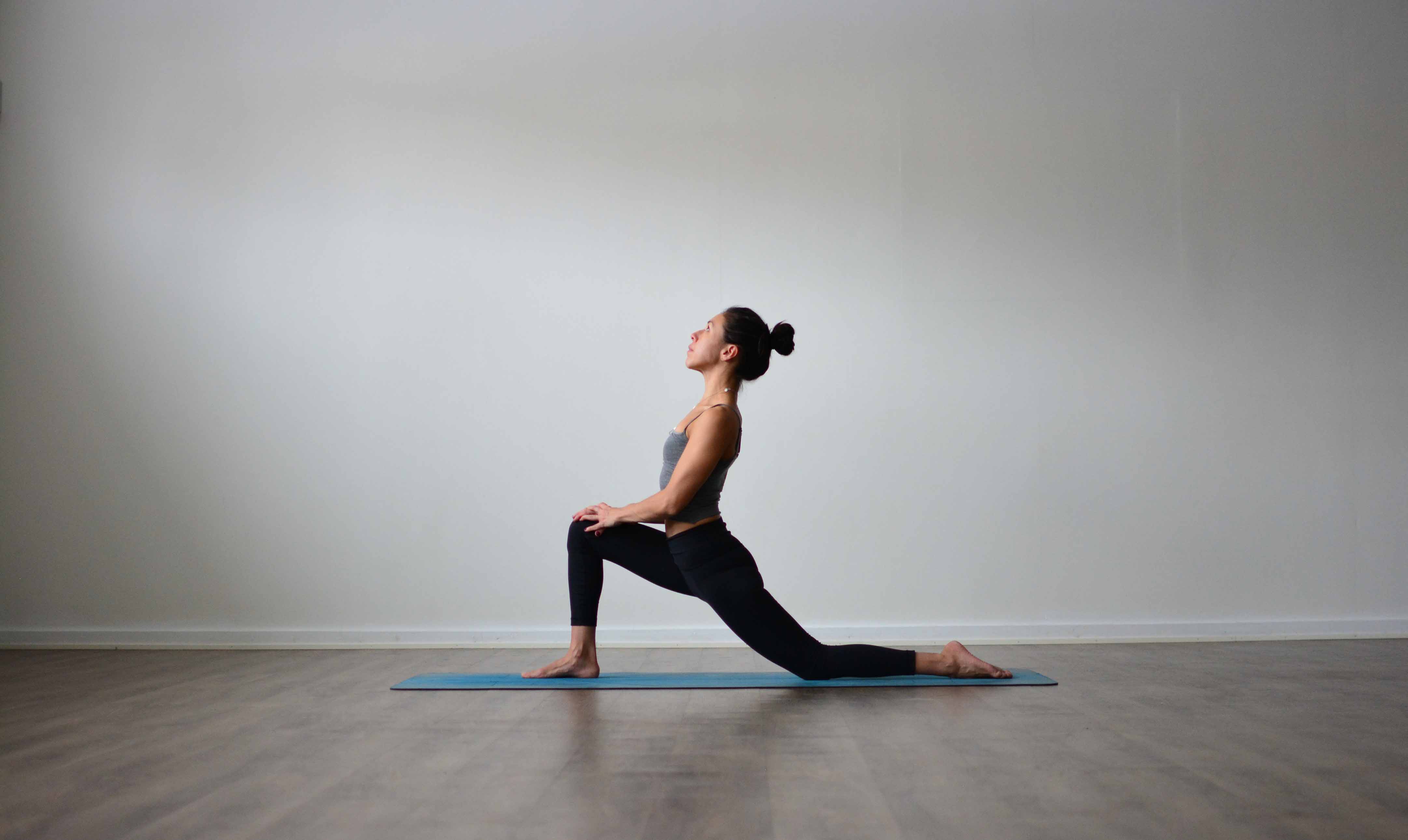
Anjaneyasana (Low Lunge Pose): How to Do It Step by Step

Anjaneyasana (Low Lunge Pose) is a kneeling lunge: one foot forward with the knee bent over the ankle, the back knee on the mat, the chest lifted and the arms reaching up. It stretches the hip flexors and the front of the thigh of the back leg while the front leg and the core hold you steady. It...
Posted on

Yoga Poses Names in Sanskrit and English: Asanas, Pranayama and Glossary

Most yoga poses have two names: a Sanskrit name that ends in asana ("seat" or "pose") and an English name that describes the shape. Adho Mukha Svanasana is Downward-Facing Dog, Vrksasana is Tree Pose, Balasana is Child's Pose. Below you find more than 100 poses, breathing exercises and sequences...
Posted on

Yoga Body Parts: The Anatomy Words Teachers Use in Class

Yoga body parts are the anatomy words teachers use to cue you in class: sternum, sitting bones, scapula, sacrum, hamstrings, hip flexors, core. Knowing them turns a cue like "lift your sternum" or "root through your sitting bones" into a clear instruction you can act on. This glossary gives each...
Posted on