The 7 Chakras: A Beginner's Guide to Names, Order and Meaning

The seven chakras are energy centres that the yoga tradition places along the spine, from the base of the spine to the crown of the head: Muladhara (root), Svadhisthana (sacral), Manipura (solar plexus), Anahata (heart), Vishuddha (throat), Ajna (third eye) and Sahasrara (crown). Chakra is...

Posted on
Yoga Sanskrit terms

Guru Meaning: What a Guru Is in Yoga and Where the Word Comes From

A guru (Sanskrit: गुरु) is a teacher, and in Indian traditions a spiritual teacher who guides a student through a practice over many years. The word literally means "heavy" or "weighty": someone heavy with knowledge, whose words carry weight. In Hinduism, Buddhism, Jainism and Sikhism...
Posted on
Yoga Sanskrit terms

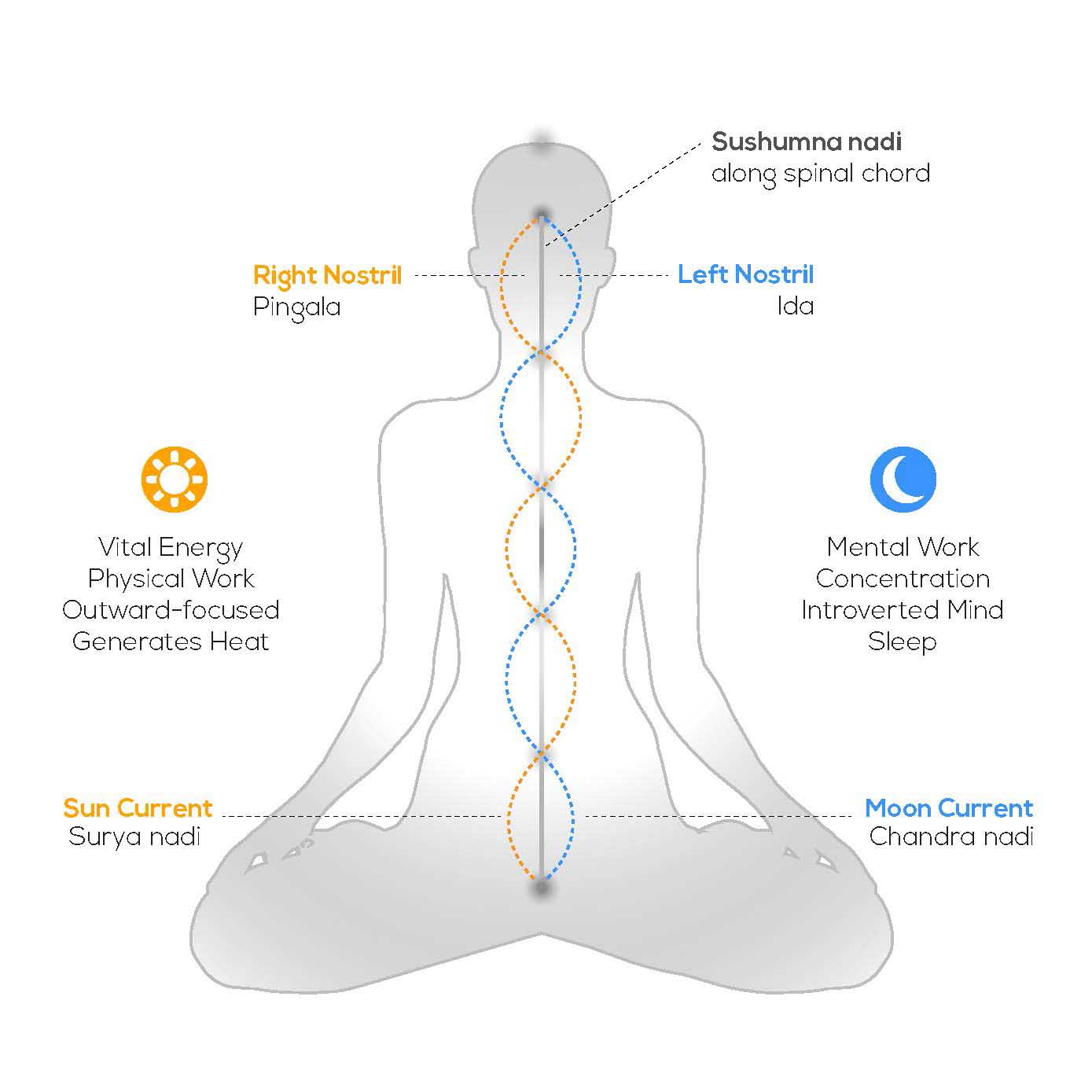
Nadi: What the Nadis Are and the Three Main Channels

A nadi (Sanskrit: नाडी, nāḍī) is a channel in the subtle body of yoga, the pathway prana, the breath or life force, is said to travel along. The Sanskrit word means "tube", "pipe" or "channel". Hatha yoga texts describe thousands of nadis and name three as the most important: ida on...
Posted on
Yoga Sanskrit terms

Yoga Meaning in Sanskrit: Yuj, Union and the Classic Definitions

Yoga (Sanskrit: योग) comes from the root yuj, which means "to yoke" or "to join". The word is usually translated as "union", but the classic texts define it in different ways: Patanjali calls yoga the stilling of the mind, and the Bhagavad Gita calls it evenness of mind and skill in...
Posted on
Yoga Sanskrit terms

Abhyasa Meaning: Practice in the Yoga Sutras and How to Do It

Abhyasa (Sanskrit: अभ्यास) means "practice": steady, repeated effort over a long time. In the Yoga Sutras of Patanjali, abhyasa is one of the two means of stilling the mind, paired with vairagya, non-attachment. Patanjali defines it as the effort to stay steady, and says it takes...
Posted on
Yoga Sanskrit terms