Yoga Meaning in Sanskrit: Yuj, Union and the Classic Definitions

Yoga (Sanskrit: योग) comes from the root yuj, which means "to yoke" or "to join". The word is usually translated as "union", but the classic texts define it in different ways: Patanjali calls yoga the stilling of the mind, and the Bhagavad Gita calls it evenness of mind and skill in action. In the West today, "yoga" mostly means the physical practice, which the tradition calls asana.
What does the word yoga mean?
Yoga is a noun built on the verb root yuj. In the oldest Sanskrit, the Rigveda, yuj is used for hitching horses to a chariot. The English word yoke is related to it, and so is the Latin iugum. Both go back to the same Indo-European root.
So the first picture behind the word is practical: a yoke that holds two animals to one task. From there the meaning widened to joining, applying and reining in the mind. Your translation depends on which of those you stress.
- Yoke, hitch: the oldest, concrete sense. You rein in the senses and the mind the way a driver reins in horses.
- Union, joining: the translation most people know. In later Hindu thought it means the joining of the individual self with the divine.
- Concentration, absorption: the sense Patanjali uses (more on that below).
Two roots called yuj
The old Sanskrit grammarians list two separate verbs spelled yuj. One is yujir yoge, "to join". The other is yuj samadhau, "to concentrate" or "to be absorbed". This matters for the meaning of yoga. Vyasa, the earliest commentator on the Yoga Sutras, writes that yoga is samadhi, and later scholars link that to the second root. Read that way, the yoga of the Sutras is about a focused, still mind, and "union" is a later layer.
The old version of this post said yoga is yuj samatvam and yuj samadhi. The idea was right, but the terms were mixed up: samadhi belongs to the root, and samatvam is a word from the Bhagavad Gita.
How the classic texts define yoga
Katha Upanishad
One of the first texts to describe yoga as a practice. It calls yoga the steady holding of the senses (sthiram indriya dharanam), and compares the body to a chariot, the senses to horses and the mind to the reins. The yoke image is still there.
Yoga Sutras of Patanjali
Sutra 1.2 is the most quoted definition of all: yogas chitta vritti nirodhah. Word by word:
- Yoga: yoga.
- Chitta: the mind, or the field of consciousness.
- Vritti: the movements or fluctuations of the mind: thoughts, memories, sleep, perceptions.
- Nirodhah: stilling, restraint, cessation.
"Yoga is the stilling of the movements of the mind." Patanjali lays out a path of eight parts to get there, the 8 limbs of yoga, and you can read more about the form of the text in what a sutra is.
Bhagavad Gita
The Gita gives two short definitions in its second chapter. Verse 2.48: samatvam yoga uchyate, "evenness of mind is called yoga", staying steady in success and failure. Verse 2.50: yogah karmasu kaushalam, "yoga is skill in action". Krishna goes on to describe several paths, and the Gita uses yoga as the name for all of them.
Hatha yoga texts
Medieval texts such as the Hatha Yoga Pradipika (15th century) put the body at the centre: postures, breath control, locks and purification practices, as a preparation for meditation. Hatha means "force". The popular reading of ha as sun and tha as moon is a later symbolic explanation.
The paths of yoga
Because yoga names both a goal and a method, the tradition describes several paths. The four you meet most often:
- Jnana yoga: the path of knowledge. Study and inquiry into the nature of the self (Atman).
- Bhakti yoga: the path of devotion. Prayer, chanting and surrender to God. The Gita says whoever surrenders fully to God can reach liberation.
- Karma yoga: the path of action. Doing your duty without clinging to the result.
- Raja yoga: the "royal" path of meditation, often used as a name for Patanjali's eight limbs.
The grouping into four is fairly modern. Swami Vivekananda made it popular in the 1890s, in lectures for Western audiences. The Gita discusses knowledge, action and devotion, but it does not set them out as a neat list of four.
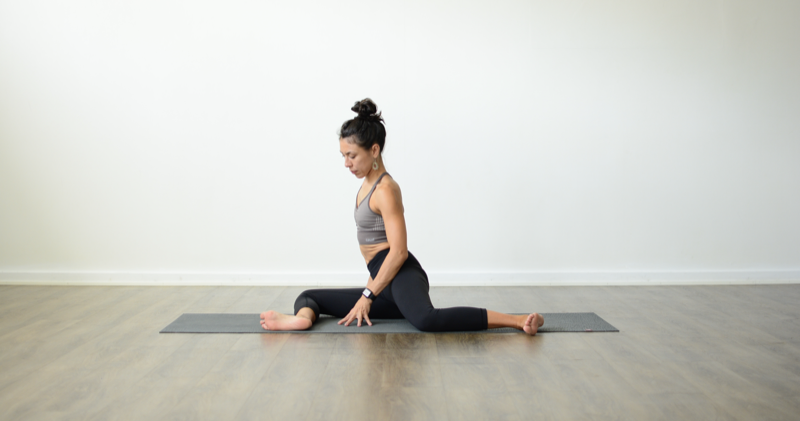
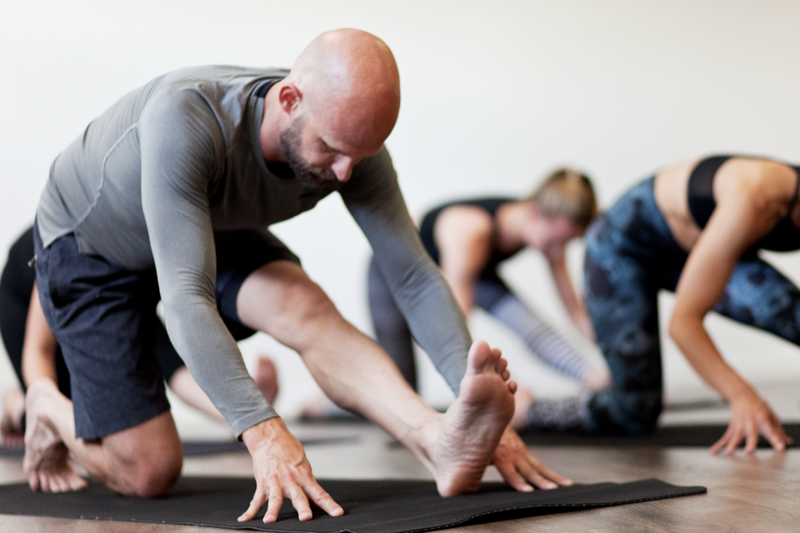
Yoga as most people know it: asana
In the West, when people say yoga they usually mean asana, the postures. In Patanjali's system asana is the third of the eight limbs, and the Sutras say little about it: a seat that is steady and comfortable (sthira sukham asanam). The standing sequences, sun salutations and long holds of today's classes grew mostly in the 20th century, through teachers such as Krishnamacharya in Mysore. Our post on asana, the third limb covers that history in more detail.
A few of the styles you will see on a class schedule:
- Hatha: in studios today, a slower class that holds each posture for a few breaths. A good place to start. See our Hatha classes.
- Vinyasa: postures linked to the breath in a continuous flow. More movement, more heat. See our Vinyasa flow classes.
- Iyengar: precise alignment, often with blocks, straps and chairs. B.K.S. Iyengar and K. Pattabhi Jois, who developed Ashtanga Vinyasa, were both students of Krishnamacharya. More in the yoga styles of Krishnamacharya's lineage.
- Kundalini: the style Yogi Bhajan taught in the West from 1969, with breath work, chanting, meditation and repeated movements.
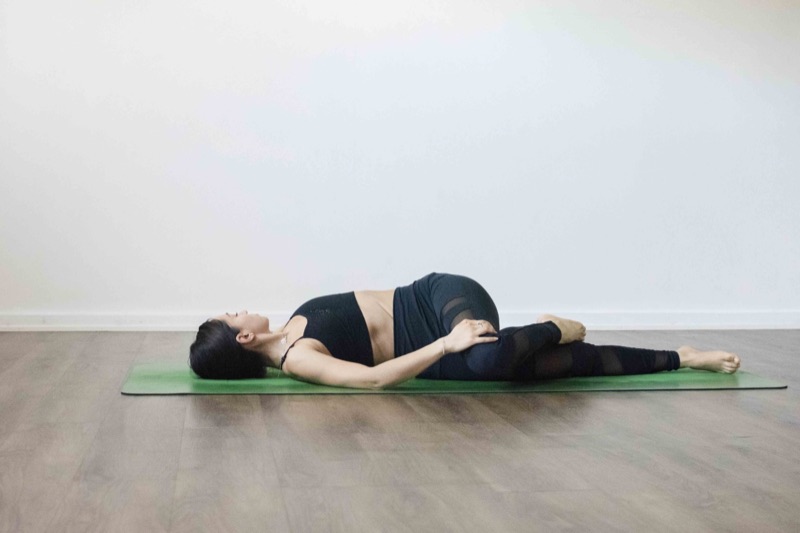
- Yin: passive postures, mostly seated or lying, held for several minutes to stretch the hips, pelvis and lower back. See our Yin classes.
Union or separation? Where the sources disagree
"Yoga means union" is the answer you hear in almost every class. It holds up, but it hides a real disagreement.
In Vedanta and the Gita, the goal is union: the individual self and the absolute (Brahman, or God) are joined or found to be one. "Union" fits well there.
In Patanjali's system, the goal is kaivalya, which means isolation or aloneness. Pure consciousness (Purusha) is freed from matter and the mind (Prakriti). That is closer to separation than union. Many scholars point out that translating the Yoga Sutras with "union" reads Vedanta into a text that belongs to a different school.
In modern studios, "union of body, mind and breath" is the common reading. It is a fair description of what a class asks of you: attention on the body and the breath at the same time. It is a modern gloss. The old texts do not say it.
Our view: when someone asks what yoga means, "to yoke" is the most accurate translation, "union" is the most common, and the stilling of the mind is the definition the whole meditative tradition builds on. For the words you hear in class, see our list of 50 Sanskrit yoga terms, and for a practical start, what yoga is: a beginner's guide. Namaste, the word many classes end with, is covered in our guide to what namaste means.
If you want to read the definitions with a teacher, our introduction to the Yoga Sutras of Patanjali goes through the text, and the yoga philosophy classes cover the ideas behind the paths.
Frequently asked questions
What is the root word of yoga?
The Sanskrit verb root yuj, "to yoke" or "to join". The grammarians also list a second root yuj, "to concentrate", which fits Patanjali's use of the word. English yoke comes from the same Indo-European root.
What is the original meaning of yoga?
In the Rigveda, the oldest Sanskrit text, the root yuj is used for yoking horses to a chariot. The later meanings, reining in the senses, union with the divine and a still mind, all grew out of that picture.
What does the Bhagavad Gita define as yoga?
Two short definitions in chapter 2. Verse 2.48: "evenness of mind is called yoga" (samatvam yoga uchyate). Verse 2.50: "yoga is skill in action" (yogah karmasu kaushalam). The Gita also uses yoga as the name for the paths of knowledge, action and devotion.
What is the spiritual meaning of the word yoga?
It depends on the school. In Vedanta and the Gita it is the union of the individual self with the absolute or with God. In Patanjali's Yoga Sutras it is the stilling of the mind, which leads to the freedom of pure consciousness from matter.
Does yoga mean union?
That is the most common translation, and it fits the Gita and Vedanta. The literal meaning is closer to "yoking", and in the Yoga Sutras the goal is kaivalya, isolation, which many scholars describe as separation rather than union.
What does chitta vritti nirodha mean?
It is Yoga Sutra 1.2: "yoga is the stilling of the movements of the mind". Chitta is the mind, vritti its movements or fluctuations, and nirodha means stilling or restraint.
Is yoga a religion?
Yoga grew up inside Hinduism, Buddhism and Jainism, and its texts are religious and philosophical. Practising the postures and the breath does not require any belief, and most people in a Western class practise it as physical and mental training.