Bhastrika Pranayama (Bellows Breath): How to Do It Step by Step

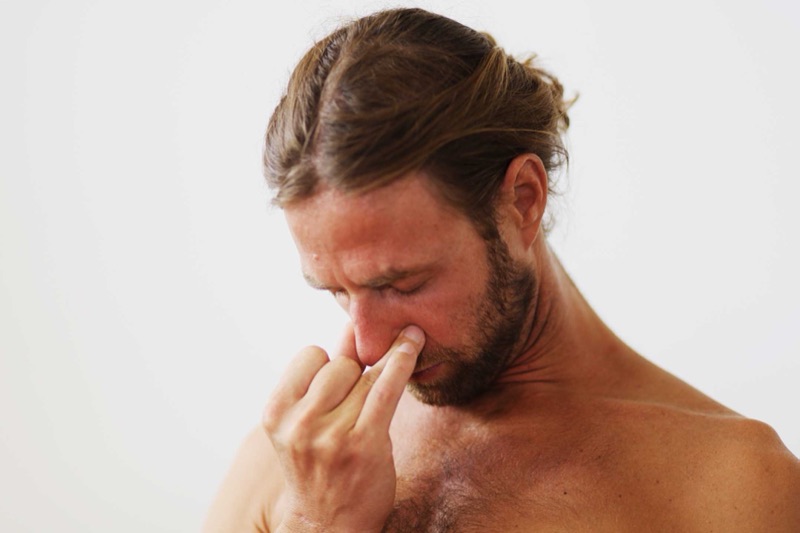
Bhastrika Pranayama (Bellows Breath) is a fast, forceful yoga breathing technique in which you pump the breath in and out through the nose with the belly, like a blacksmith working the bellows. A round of rapid breaths ends with one slow, deep breath and often a short breath hold. It is one of the most energising practices in hatha yoga, and one of the few that is not suitable for everyone.
Type: seated pranayama. Level: intermediate, learn Kapalabhati first. Time: 3 rounds of 10-20 breaths, about 5 minutes with rests. Props: a cushion, a tissue for the nose.
What does Bhastrika mean?
Bhastrika (भस्त्रिका) means "bellows" in Sanskrit, the leather bag a smith squeezes to blow air onto a fire. The name describes the movement: the belly draws in and releases in a quick, steady rhythm and the air rushes in and out of the nose. Pranayama joins prana, breath or life force, and ayama, extension. The yoga texts use the fire image on purpose. Bhastrika is the practice they describe as stoking the inner heat.
Bhastrika is one of the eight classical breath practices (kumbhakas) in the Hatha Yoga Pradipika, the 15th century manual of hatha yoga, which gives it more verses than any of the others. The Gheranda Samhita, a later text, also describes it. Both texts praise it highly, which is where the reputation as "the most powerful pranayama" comes from.
How to do Bhastrika Pranayama step by step
This is the version most teachers start students on. Read the safety section below before you try it.
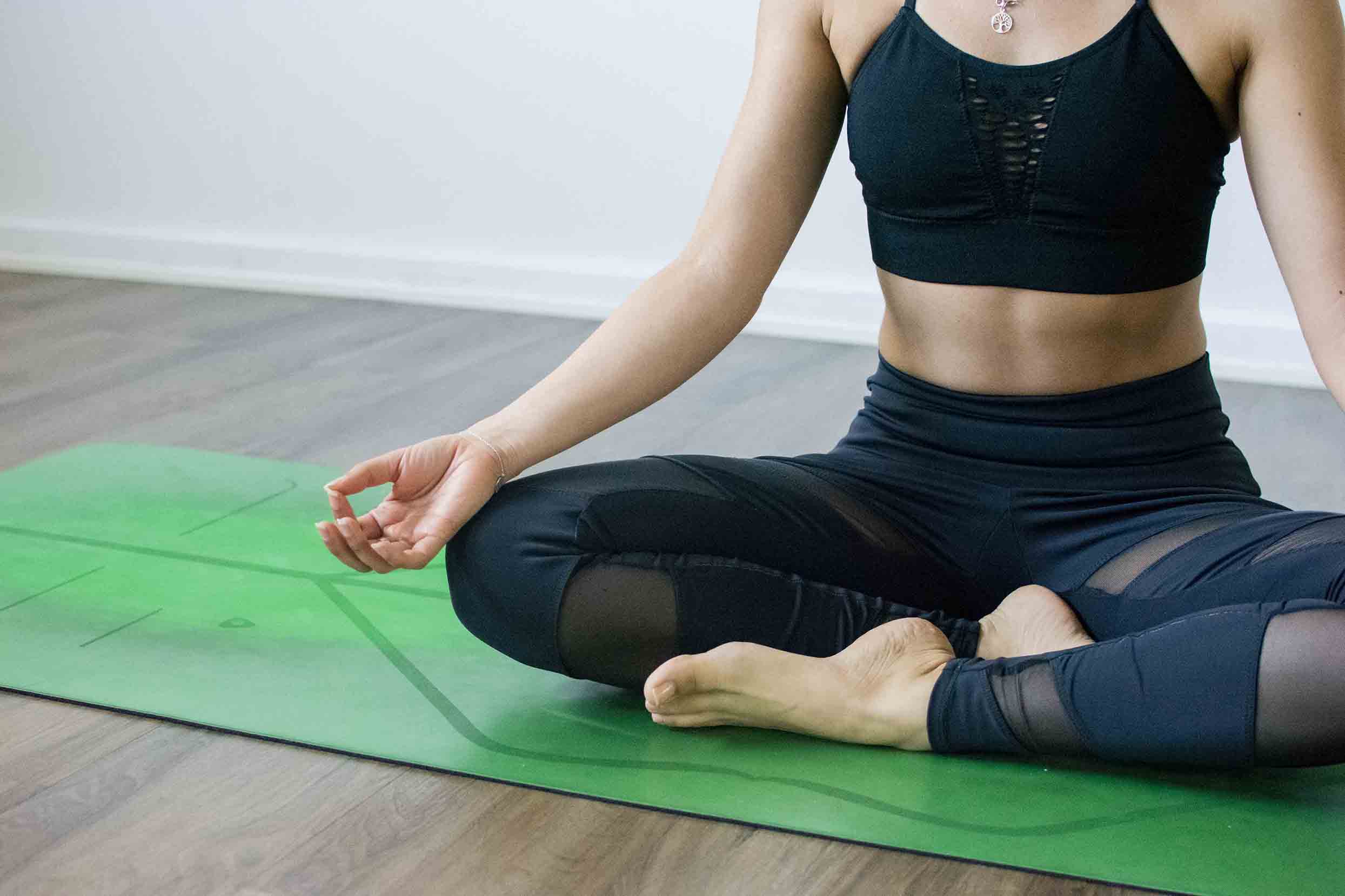
- Sit tall. Choose a seat where your spine stays upright without effort: Sukhasana (Easy Pose) on a cushion, Padmasana (Lotus Pose), which the Hatha Yoga Pradipika recommends, or a chair with both feet on the floor. Practise on an empty stomach, ideally in the morning.
- Clear the nose. Blow your nose first. Bhastrika moves a lot of air through the nostrils, and a blocked nose turns it into a strain.
- Take a few calm breaths. Rest your hands on your knees. Breathe normally through the nose and let the belly soften.
- Start the bellows. Breathe out sharply through the nose by drawing the lower belly in. Then let the belly release outward and breathe in through the nose. Keep the mouth closed, the chest and shoulders still. The movement comes from the belly below the navel.
- Find a steady rhythm. Begin slowly, about one breath per second, for 10 breaths. Keep every breath the same size. Speed comes later, with practice.
- Finish with one deep breath. After the last pump, breathe in slowly and fully through the nose.
- Hold briefly, if you have learned to. Hold the breath in for a few seconds with the chin slightly lowered, then breathe out slowly. If you are new to breath retention, skip the hold and breathe out slowly straight away.
- Rest. Breathe normally for 30 seconds to a minute, until the breath has settled completely.
- Repeat. Do 3 rounds. Over weeks you can build to 20 breaths a round, and a quicker pace, as long as the rhythm stays even.
- Sit quietly. After the last round, sit for a minute or two with normal breathing and notice the warmth and alertness in the body.
The classical version: bellows plus the sun breath
The Hatha Yoga Pradipika describes Bhastrika in two parts. First the bellows: rapid breaths through the nose. Then, when the practitioner tires, one slow breath in through the right nostril, a breath hold with the belly full, and a slow breath out through the left nostril. The fingers close one nostril at a time.
That second part is Surya Bhedana, the "sun piercing" breath, in through the right nostril and out through the left. In short: Kapalabhati-style pumps followed by one round of Surya Bhedana. This is how we teach it at Yogateket. The skill lies in the transition, ending the pumps smoothly and flowing into the slow breath without gasping.
- Do 10-20 bellows breaths as described above.
- Close the left nostril with the ring finger of your right hand. Breathe in slowly through the right nostril.
- Close both nostrils and hold the breath for a few comfortable seconds.
- Close the right nostril with the thumb, release the left and breathe out slowly through the left nostril.
- Breathe normally before the next round.
The Gheranda Samhita describes a simpler form: the bellows through both nostrils, 20 strokes, then a breath hold, three rounds in all. Both texts treat the retention as part of the practice. It is also the part that needs the most care, so learn Kumbhaka Pranayama (Breath Retention) on its own first.
Bhastrika vs Kapalabhati
The two look alike and are often confused. Kapalabhati (Skull Shining Breath) has a sharp, active exhale and a passive inhale: the belly snaps in, then lets go, and the air falls back in on its own. It is traditionally one of the six purification techniques (kriya), not a pranayama.
Bhastrika is a full pranayama: the pumps are followed by a slow breath, a retention and, in the classical version, alternate nostrils. Many modern schools also make the inhale in Bhastrika as active as the exhale, which makes it stronger and faster than Kapalabhati. Whichever way you are taught, Kapalabhati is the groundwork. If you cannot do 20 even, relaxed Kapalabhati pumps from the lower belly, Bhastrika is not the next step yet.
What Bhastrika does
It wakes you up. Fast, forceful breathing activates the sympathetic nervous system, the side that raises alertness. Heart rate and breathing rate go up during the practice. Most people feel warm, awake and a little buzzy afterwards. This is the best supported effect, and the reason it belongs in the morning.
It works the belly. The repeated contraction of the lower abdominal muscles, and the control needed to keep the upper belly soft, train the lower belly and pelvic floor, the same areas you work with in Mula Bandha (Root Lock) and Uddiyana Bandha.
It changes your blood chemistry for a while. Rapid breathing blows off carbon dioxide faster than the body makes it. That is why tingling in the hands, a light head or a feeling of being "high" is common. It passes within a minute or two of normal breathing, and it is also why the practice has to be done in short rounds with rests.
What the research says. The studies on Bhastrika are few and small. Short-term studies report changes in heart rate and blood pressure, and some report better reaction time and attention after practice. One often quoted study (Pramanik and colleagues, 2009) found lower blood pressure after slow Bhastrika at about six breaths a minute, which is a different practice from the fast version described here. Read the findings as early and mixed.
What the old version of this page claimed and we no longer do: that Bhastrika removes depression, improves memory, balances the three doshas or is useful for low blood pressure. These come from the Hatha Yoga Pradipika and later traditional sources, not from research. The text also says it awakens kundalini and pierces the three granthis, the knots at the navel, heart and throat. That is how the tradition describes the practice, and we present it as tradition.
Who should skip or modify it
- High blood pressure, heart disease, or a history of stroke: skip the fast version. Slow belly breathing or Nadi Shodhana (Alternate Nostril Breathing) are better choices.
- Pregnancy: skip it. The forceful belly pumping and the breath holds do not belong in pregnancy.
- Epilepsy: skip it. Rapid breathing can lower the seizure threshold.
- Hernia, recent abdominal surgery, or a recent back injury: skip it until you have recovered and cleared it with your doctor.
- Panic attacks or anxiety: the racing heart and tingling can feel like the start of a panic attack. A calming practice such as Bhramari Pranayama (Humming Bee Breath) is a better fit.
- Menstruation: many traditional teachers advise against it during the period. Take the lighter option: fewer, slower breaths or a rest from the practice.
- A cold or blocked nose: wait until you can breathe freely through both nostrils.
- Never in water, in a car or standing up. Fast breathing followed by a breath hold can make you faint without warning.
The old tradition says Bhastrika should be learned from a teacher who can judge whether a student is ready for it. That advice still holds.
Common mistakes
- Breathing with the chest and shoulders. If the shoulders bounce, the movement has moved up. Put one hand on the lower belly and feel the pump there.
- Tensing the upper belly. The work is below the navel. Keep the area under the ribs soft, and let the belly relax fully between pumps.
- Going too fast too soon. Speed without control turns into shallow gasping. Start at one breath per second. Faster only when every breath stays even.
- Pushing through dizziness. Dizziness means stop and breathe normally. It does not mean the practice is working.
- Too many rounds. More is not better. Three rounds with full rests is a complete practice.
- Straining in the hold. The breath hold should end with a slow, controlled exhale. If you gasp, the hold was too long.
Where sources disagree
Active or passive inhale. Many modern teachers, including the Bihar School, teach an inhale as forceful as the exhale. Our view at Yogateket is that both Kapalabhati and Bhastrika should keep an active exhale and a passive inhale. Forcing both directions comes close to deliberate hyperventilation and tends to overstimulate the nervous system. The classical texts can be read both ways. If you are new, the passive inhale is the safer place to start.
What comes after the pumps. The Hatha Yoga Pradipika ends each round with a right-nostril inhale, a hold and a left-nostril exhale (Surya Bhedana). The Gheranda Samhita uses both nostrils and a hold. Many modern versions leave out the retention entirely. All three are called Bhastrika today.
"The most powerful pranayama." The Hatha Yoga Pradipika singles it out as the practice that awakens kundalini quickly. That is a claim from within the tradition. In practice, "powerful" means strong and stimulating, which is also why it carries more cautions than any other common breathing technique. There is no measure by which one pranayama is the best. It depends on what you need: Bhastrika to wake up, a long slow exhale to calm down.
Health claims. Traditional sources credit Bhastrika with curing diseases of all three doshas and increasing digestive fire. Wellness sites have added weight loss, bigger lungs and fewer colds. The research does not support those claims. What holds up is simpler: fast breathing makes you more alert for a while, and short studies show short-term changes. We state that, and leave the rest to tradition.
Where Bhastrika fits in a practice
Before it: a few rounds of calm belly breathing, then Kapalabhati. For the bigger picture, read our guide to pranayama, the yogis' art of breathing.
After it: a balancing, slower practice such as Nadi Shodhana or Ujjayi Pranayama (Victorious Breath), then sit still for meditation. The quiet after Bhastrika is often the easiest time to sit.
When to use it: in the morning, before breakfast, when you feel heavy or sluggish. Avoid it in the evening. It is too stimulating before sleep.
Start with the 15-minute Kapalabhati tutorial and the Surya Bhedana and Sitali class, the two halves of classical Bhastrika, or browse all our pranayama classes.
Frequently asked questions
What is the English name for Bhastrika Pranayama?
Bellows Breath. Bhastrika is Sanskrit for bellows, the bag a smith squeezes to blow air onto a fire. The belly works the same way, pumping air in and out of the nose.
What is the difference between Kapalabhati and Bhastrika?
Kapalabhati has a sharp, active exhale and a passive inhale, and it counts as a purification technique on its own. Bhastrika uses the same kind of pumps, often with a stronger inhale, and follows them with a slow deep breath and a breath hold, in the classical version through the right and left nostrils. Learn Kapalabhati first.
How many times should Bhastrika be done?
Start with 3 rounds of 10 breaths, at about one breath per second, with 30 seconds to a minute of normal breathing between rounds. With practice, build to 20 breaths a round. Once a day, in the morning, is enough.
Which is the most powerful pranayama?
The Hatha Yoga Pradipika praises Bhastrika above the others, which is why it is often called the most powerful. There is no objective ranking. Bhastrika is the most stimulating of the common techniques. For calming down, a slow practice such as Bhramari or Nadi Shodhana does more.
Who should not do Bhastrika Pranayama?
Skip it with high blood pressure, heart disease, epilepsy, a hernia or recent abdominal surgery, during pregnancy, and if you are prone to panic attacks. Many teachers also advise against it during menstruation. Never practise it in water or while driving.
Can Bhastrika make you dizzy?
Yes. Fast breathing lowers the carbon dioxide in your blood, which can cause dizziness and tingling in the hands. Stop, breathe normally and wait until it passes. Next time, go slower and do fewer breaths per round.
Is it better to do Bhastrika in the morning or at night?
In the morning, on an empty stomach. Bhastrika raises heart rate and alertness, which helps you wake up but makes it harder to fall asleep. At night, choose a slow practice with a long exhale.
Practise it with a teacher
Over 600 online yoga classes and programs for $4.99 a month. Cancel any time.
Become a member