Paschimottanasana (Seated Forward Bend): How to Do It Step by Step

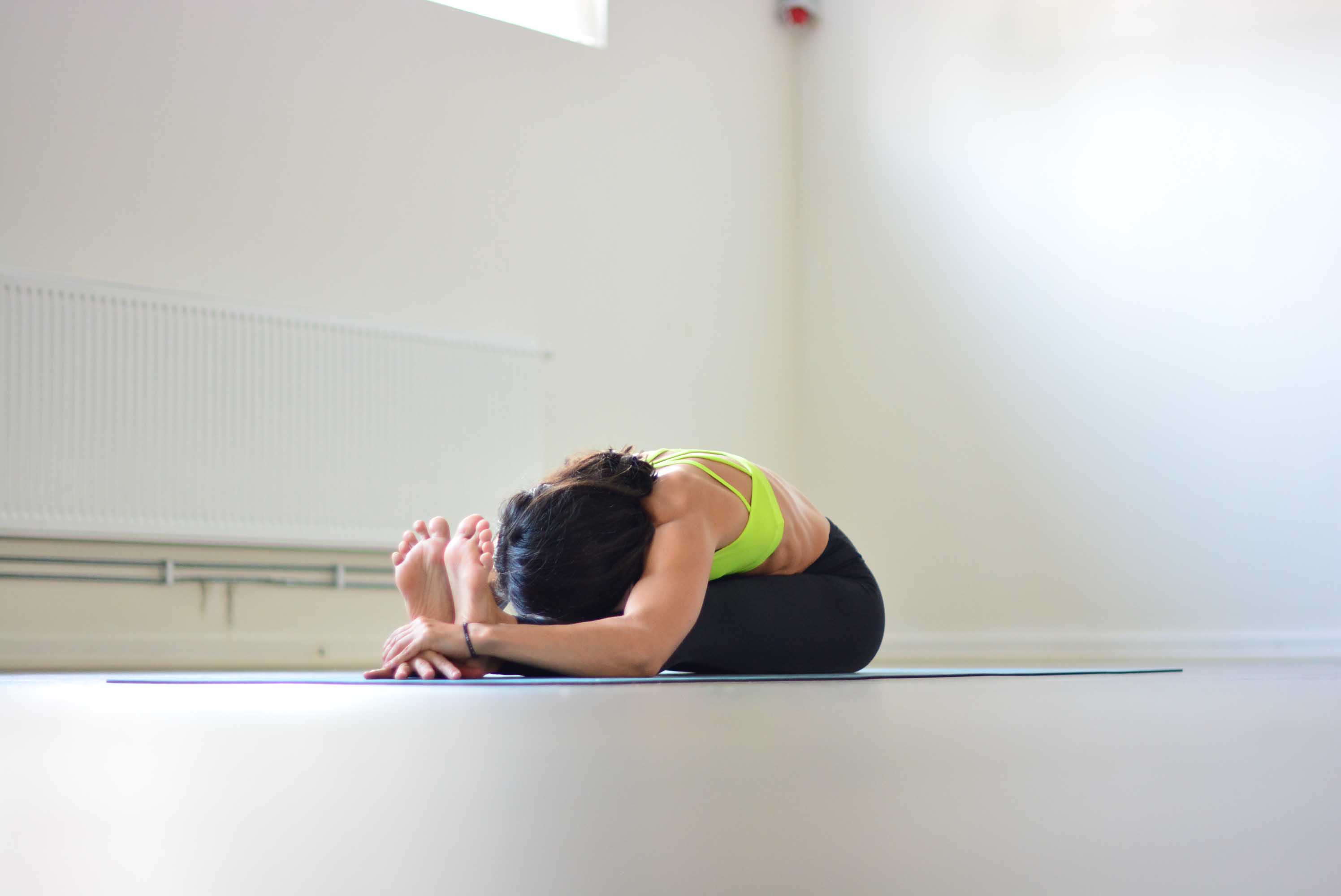
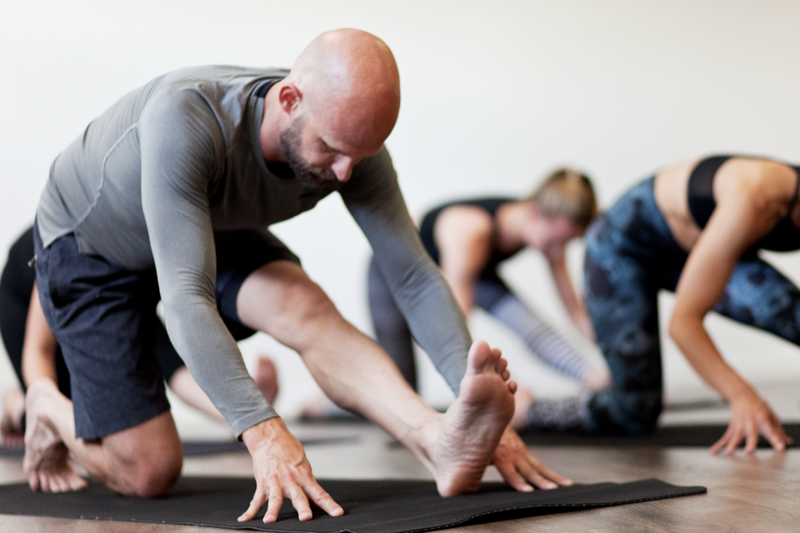
Paschimottanasana (Seated Forward Bend) is a seated yoga pose in which you sit with your legs straight out in front of you and fold your upper body forward over them. It stretches the whole back of the body, from the calves and hamstrings up along the spine. The fold should start in the hip joints, so the pelvis tips forward before the back rounds.
Pose type: seated forward bend. Level: beginner to intermediate. Props: a folded blanket to sit on, a strap for the feet, a bolster or cushion on the legs if you want to rest.
What Paschimottanasana means
The name has three parts. Paschima means west, uttana means an intense stretch, and asana means seat or posture. In the yoga tradition you practise facing the rising sun, so the west side of the body is the back side. Paschimottanasana is the intense stretch of the back of the body, and that is exactly where you feel it.
The spelling varies. You will see Paschimottanasana, Paschimotanasana and Pashchimottanasana. They are the same pose. It is one of the older postures on record: the Hatha Yoga Pradipika, written in the 15th century, describes it in its first chapter. Today it is also a fixed point in the Ashtanga primary series, where it is the first seated pose after the standing sequence.
How to do Paschimottanasana, step by step
- Sit on the front edge of a folded blanket with your legs straight out in front of you, feet hip-width apart or together. This is Dandasana (Staff Pose). The height helps your pelvis tip forward.
- With your hands, draw the flesh of your buttocks back and out, so you sit on the front of your sitting bones. Flex your feet and press out through the heels.
- Inhale and lift your arms overhead. Lengthen the spine from the tailbone to the crown of the head.
- Exhale and fold forward from the hips. Think of the belly moving toward the thighs before the head moves toward the knees. Keep the front of the body long.
- Hold your shins, ankles or the outer edges of your feet, whichever you reach with a long spine. If you cannot reach, loop a strap around the soles and hold it with both hands.
- On each inhale, lengthen forward a little. On each exhale, let the fold deepen by itself. Bend the elbows out to the sides only if the chest keeps moving forward rather than down.
- Stay for 5-10 breaths in an active practice, or 1-3 minutes in a slower one. To come out, inhale, lift the chest and come back up to sitting with a long spine.
The depth of the fold says little. A student with a flat back and her hands on her shins is doing the pose. A student with her forehead on her knees and a rounded lower back is mostly stretching her spine.
Benefits of Seated Forward Bend
- Back of the legs: it stretches the hamstrings and the calves, more so with the feet flexed. Held regularly, it can help you keep or gain range of motion there.
- Back of the body: the muscles along the spine lengthen as the trunk folds forward.
- A quieter practice: most people breathe more slowly in a supported fold. A long, slow exhale shifts the nervous system toward rest, and that is why the pose often sits near the end of a class.
The older texts promise more. The Hatha Yoga Pradipika says the pose kindles the digestive fire, slims the waist and removes disease. That is the tradition speaking. Claims that it massages the kidneys, liver or ovaries, cures headaches or treats insomnia have no study behind them, and we leave them out. If you sleep better after a slow fold before bed, that is the breath and the stillness, and it works in Balasana (Child's Pose) too.
Who should skip or modify Paschimottanasana
- Disc problems in the lower back: a deep, rounded fold puts load on the front of the discs. Keep the back long, bend the knees, and stop well before the end range, or skip the pose and ask your physiotherapist.
- Sciatica: straight legs plus a rounded spine pull on the sciatic nerve. If the fold sends pain, tingling or numbness down one leg, come out. Bend the knees a lot or choose a gentler hamstring stretch lying on your back.
- Hamstring strain: a recent tear near the sitting bone does not like being stretched. Let it settle first, then come back with bent knees.
- Pregnancy: open the legs wide so the belly has room, or practise Upavistha Konasana (Wide-Angle Seated Forward Bend) instead.
- Tight breathing: if a deep fold makes it hard to breathe through the nose, come up until the breath is easy again. A bolster on the thighs helps.
More on practising without injury in our 10 tips to avoid yoga injuries.
Common mistakes
- Folding from the waist. If the pelvis stays upright, the lower back does all the bending. Sit higher and lead with the belly.
- Pulling yourself down with the arms. Hauling on the feet forces the spine to round. Let the arms hold, not pull.
- Locking the knees. Keep the thighs active and the knees soft. Pressing the backs of the knees into the floor can overstretch them.
- Chasing the knees with the head. Aim the chest toward the feet instead. The head follows.
- Holding the breath. A held breath means you are working too hard. Back off until you can breathe slowly through the nose.
Preparatory poses
Forward bending is as much about the pelvis as about the hamstrings. These poses prepare both:
- Janu Sirsasana (Head-to-Knee Pose): the same fold, one leg at a time, so you can feel the difference between your sides.
- Padahastasana (Hand to Feet Pose): the standing forward bend, where gravity helps the fold.
- Adho Mukha Svanasana (Downward-Facing Dog): lengthens the hamstrings and calves with the spine long.
- Prasarita Padottanasana (Wide-Legged Forward Bend): a forward bend with the legs wide, easier on the lower back.
Our article on hamstrings and yoga explains why these muscles get tight and how to stretch them without straining them.
Follow-up poses
- Setu Bandha Sarvangasana (Bridge Pose): a gentle backbend that opens the front of the hips after the fold.
- Matsyasana (Fish Pose): lifts the chest and opens the front of the body.
- Savasana (Corpse Pose): where a slow fold near the end of practice naturally leads.
Paschimottanasana variations
- Bent knees: bend the knees until the belly rests on the thighs. The hamstrings get less stretch, and the pelvis learns to move.
- With a strap: hold a strap around the soles so the arms stay long and the back stays flat.
- Supported: place a bolster or folded blankets on the legs and rest the forehead on it. This is the restorative version, and it can be held for several minutes.
- Yin version: in Yin yoga the same shape is called Caterpillar. You let the spine round on purpose and stay for 3-5 minutes with the muscles relaxed.
- Bound: in the Ashtanga method you hold the wrist of one hand with the other around the soles of the feet.
The class Approaching Paschimottanasana spends 20 minutes on how the pelvis moves in a forward bend. Have a strap nearby.
Frequently asked questions
What is Paschimottanasana and what are its benefits?
Paschimottanasana, or Seated Forward Bend, is a seated yoga pose where you fold forward over straight legs. It stretches the hamstrings, calves and the muscles along the spine, and a slow, supported fold with long exhales can help you settle toward the end of a practice.
Why is it called Paschimottanasana?
Paschima means west and uttana means intense stretch. In the yoga tradition you practise facing east, toward the sunrise, so the west side of the body is the back. The name describes the pose: an intense stretch of the back of the body.
Is Paschimottanasana good for sciatica?
Usually not. Straight legs and a rounded spine put tension on the sciatic nerve, and that can make the symptoms worse. If you have sciatica, bend the knees a lot, stop at the first sign of pain down the leg, and ask a physiotherapist which stretches suit you.
Which asana is called the queen of asanas?
In the Iyengar tradition, Sarvangasana (Shoulderstand) is called the queen of asanas and Sirsasana (Headstand) the king. Paschimottanasana does not carry that title, though the Hatha Yoga Pradipika counts it among the most important postures.
How long should you hold Paschimottanasana?
In an active practice, 5-10 slow breaths. In a slower or restorative practice, 1-3 minutes, with a bolster under the chest if you want. In Yin yoga the rounded version is held for 3-5 minutes. Come out if the breath gets tight or you feel pain down a leg.
Why can't I touch my toes in Seated Forward Bend?
Most often the hamstrings are tight and hold the pelvis upright, so the fold has to come from the lower back. Sit on a folded blanket, bend your knees and use a strap. What counts is a long spine and a fold from the hips. The toes come later, or not at all.