Ujjayi Pranayama (Victorious Breath): How to Do It Step by Step


Ujjayi Pranayama (Victorious Breath) is a yoga breathing technique in which you breathe in and out through the nose while gently narrowing the back of the throat. The narrowing makes a soft, even sound, like distant waves, and it slows the breath down. It is the breath most Ashtanga and Vinyasa teachers ask for during a flow, and it also works on its own as a seated practice.
Type: seated pranayama, also used during asana. Level: beginner friendly. Time: 3-10 minutes seated. Props: a cushion or a chair.
What does Ujjayi mean?
Ujjayi (उज्जायी) is built from the prefix ud, up or upward, and the root ji, to conquer or win. Together they give ujji, to be victorious, and ujjayi, the one who is victorious. That is where the English names come from: victorious breath, or conqueror breath. Pranayama joins prana, breath or life force, and ayama, extension. Because of the sound, many teachers call it ocean breath.
The technique is described in the Hatha Yoga Pradipika, the 15th century manual of hatha yoga, as one of its eight kumbhakas. There it is a seated practice: close the mouth, draw the air in through both nostrils so it is felt from the throat to the chest with a sound, hold the breath, then breathe out through the left nostril. The text adds that Ujjayi removes phlegm from the throat and cures a list of diseases. Those claims belong to the text and its time, and we do not repeat them as fact.
How to do Ujjayi Pranayama step by step
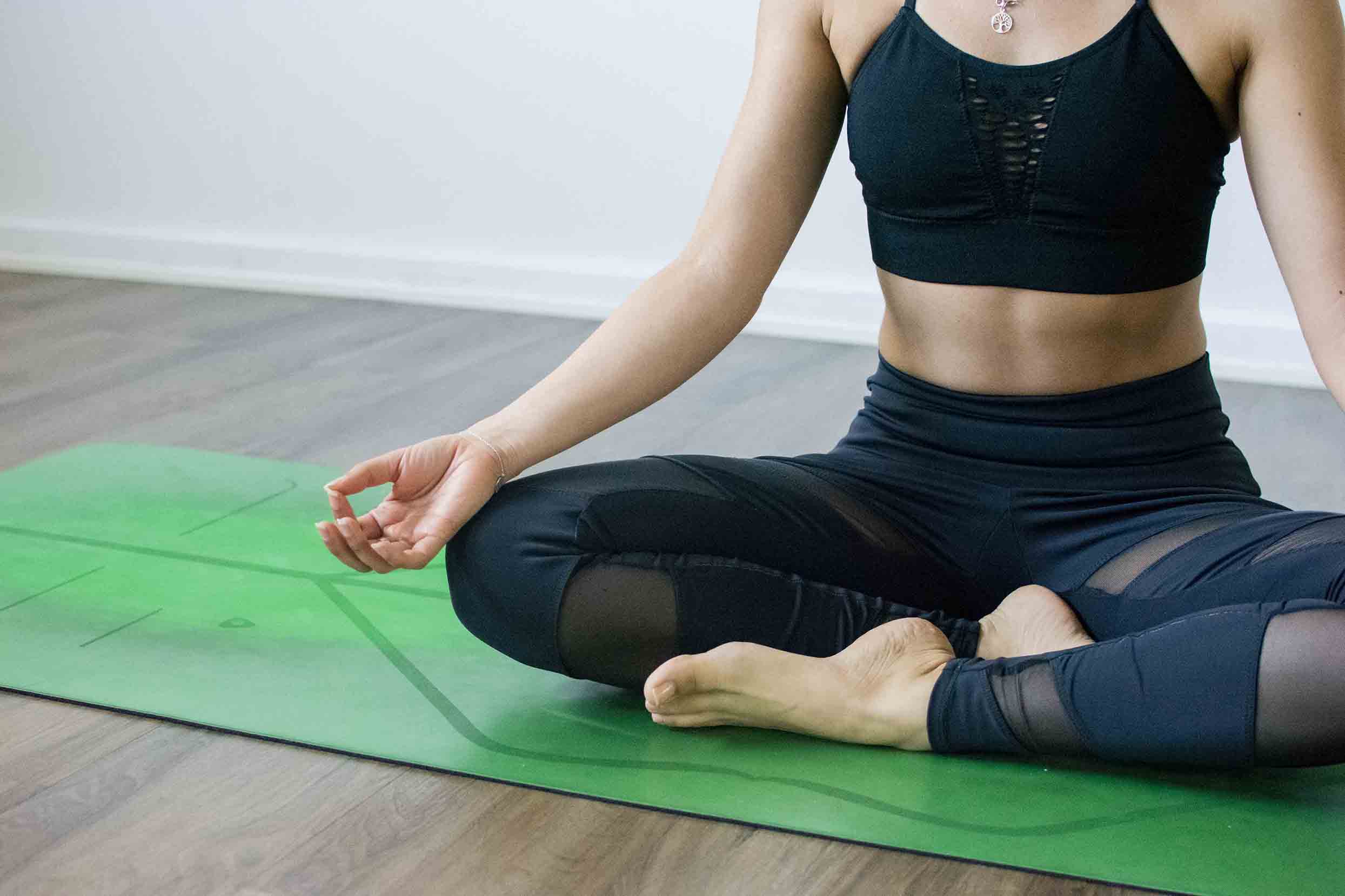
- Sit tall. Take a seat you can hold for a few minutes: Sukhasana (Easy Pose) on a cushion, kneeling, or a chair with both feet on the floor. Let the shoulders drop and the jaw soften.
- Breathe normally first. Close your eyes and take a few easy breaths through the nose.
- Find the throat with the mouth open. Open the mouth and breathe out as if you were fogging a mirror, with a soft "haaa". Feel the slight narrowing at the back of the throat. That is the whole technique.
- Add the inhale. Keep the same narrowing as you breathe in through the open mouth. The inhale makes a quieter, hollow sound.
- Close the mouth. Let the lips come together, keep the teeth apart and the tongue resting behind the upper teeth. Breathe in and out through the nose with the same narrowing in the throat. The sound moves to the back of the throat and should stay.
- Make it even. Let the inhale and the exhale take about the same time, for example four counts each. The sound helps you notice when one side gets shorter.
- Keep it soft. Someone sitting next to you may hear it. Someone across the room should not.
- Stay for 3-5 minutes. Build toward 10 minutes over a few weeks. Then let the throat relax and breathe normally for a minute before you open the eyes.
Ujjayi in a yoga flow
In Ashtanga and Vinyasa classes you keep a light Ujjayi going through the whole practice. One breath per movement: you lift the arms on an inhale and fold on an exhale. The sound works as a gauge. When it turns ragged or you have to open the mouth, you are working harder than you can breathe, and it is time to slow down or take a rest. In the Ashtanga Primary Series the breath, the gaze and the bandhas are taught together, and Ujjayi is the thread between the poses.
During movement, keep the narrowing smaller than when you sit. A strong seated Ujjayi through a 60-minute flow tires the throat.
What Ujjayi does
It slows the breath. Narrowing the throat adds resistance to the airflow, so each breath takes longer. That is the mechanism behind most of what people feel. Slow breathing with an unhurried exhale shifts the nervous system toward rest and brings the heart rate down. Any slow breathing does this. Ujjayi makes it easier to keep the pace.
It gives the mind something to follow. The sound is a steady point of attention. You hear it every breath, which is why Ujjayi is often used before a seated meditation.
It shows you your effort. In a flow the sound tells you when you are pushing too hard, before your legs do.
Research on Ujjayi itself is small. A handful of studies, most of them short and from India, report changes in heart rate variability and blood pressure during slow Ujjayi breathing, and some report the opposite during faster or held versions. For a wider look at what the studies say about breathwork, read what studies show about pranayama and stress.
Who should skip or modify it
- Dizziness or low blood pressure. Keep the practice short, drop any breath holds and stop if you feel light-headed.
- High blood pressure or heart disease. Plain Ujjayi is gentle. Leave out the breath holds from the classical version, and ask your doctor if you are unsure.
- Pregnancy. A soft Ujjayi without holds is taught in many prenatal classes. Skip the retentions and keep the throat relaxed.
- Anxiety or panic. For some people, attention on a loud breath makes them more tense. Let the sound go and keep the slow pace, or try Bhramari (Humming Bee Breath).
- A sore throat, a cold or voice problems. Wait until the throat feels normal.
Common mistakes
- Squeezing the throat. The narrowing is small. If the sound is loud and rasping, or your neck muscles show, ease off.
- Tensing the jaw and the face. Keep the teeth apart and the forehead soft. The work happens deep in the throat.
- Snoring through the nose. The sound comes from the throat. A nasal, snoring noise means you are pulling air through a tight nose.
- Sound only on the exhale. Keep the narrowing on the inhale too, so both halves of the breath are slow and audible.
- Forcing a long breath. A slightly longer, even breath is enough. Straining for long counts makes you short of air and dizzy.
Where the sources disagree
Is the breath in a flow Ujjayi at all? In the Hatha Yoga Pradipika, Ujjayi is a seated kumbhaka: a breath hold is part of it, and the exhale goes out through one nostril. Some Ashtanga teachers point out that the audible breath used during the poses was described in their lineage as free breathing with sound, and that Ujjayi proper is the seated practice. Most studios call both Ujjayi. The throat action is the same. The retention and the one-nostril exhale are what set the classical form apart.
The heat. Many texts, our old version of this post included, say the air rubbing against a narrow throat creates heat in the body. Air moving through the throat does not produce enough friction to warm you. The warmth you feel in a flow comes from your muscles working. What Ujjayi does is keep the breath steady, so you can keep working.
Calming or activating? Most teachers call Ujjayi calming, and slow Ujjayi at rest fits that. Used in a strong vinyasa class it goes with a raised heart rate. The breath is the same. The pace and the context decide the effect.
The health list. Older texts and many websites say Ujjayi relieves headaches and sinus pressure, strengthens digestion and cures thyroid problems. None of this has been tested in a way that supports it, so we have left it out. What you can count on: a slower breath, a steady sound to follow and a clear signal when you are overdoing it.
Where Ujjayi fits in a practice
Ujjayi is the foundation for other breathing practices. Once it is easy, add a short pause after the inhale with our guide to Kumbhaka (breath retention), or pair it with Nadi Shodhana (Alternate Nostril Breathing) before meditation. After heating practices like Kapalabhati, a few minutes of slow Ujjayi brings the breath back down. For the bigger picture, read pranayama, the yogi's art of breathing, or browse all our pranayama classes.
To learn it with a teacher, start with Guy Powiecki's Ujjayi tutorial, then practise it in the 15-minute Ujjayi Pranayama class or take it into movement with Ujjayi meets Sun Salutation A.
Frequently asked questions
What is the purpose of Ujjayi breathing?
It slows the breath and makes it even. In a seated practice that helps you settle before meditation. In a flow it links each movement to a breath and tells you, through the sound, when you are pushing harder than you can breathe.
Who should avoid doing Ujjayi Pranayama?
Plain Ujjayi is gentle, and most people can do it. Go carefully or skip the breath holds if you have low or high blood pressure, heart disease, dizziness or a sore throat, or if you are pregnant. If the sound makes you anxious, practise without it.
How many times a day should I practice Ujjayi Pranayama?
Once a day is enough to learn it: 3-5 minutes seated, building toward 10 minutes over a few weeks. In a yoga class you use it for the whole practice, with a lighter throat action than when you sit.
What are the potential side effects of practicing Ujjayi breathing?
The common ones are dizziness from forcing long breaths, a dry or sore throat from squeezing too hard, and tension in the jaw and neck. All three go away when you soften the throat, shorten the breath and take a break.
Why is it called ocean breath?
The soft sound made by the narrowed throat resembles waves heard from a distance. The Sanskrit name means victorious breath, and ocean breath is a modern teaching nickname.
Do you breathe through the nose or the mouth in Ujjayi?
Through the nose, in and out, with the mouth closed. Beginners often learn the throat action with the mouth open first, by breathing out as if fogging a mirror, then close the mouth and keep the same feeling.
Does Ujjayi breathing heat the body?
Not in a way you can measure. The warmth you feel in a flow comes from working muscles. Ujjayi keeps the breath slow and steady while you work, which is why it belongs in heating styles like Ashtanga.
Practise it with a teacher
Over 600 online yoga classes and programs for $4.99 a month. Cancel any time.
Become a member