Sitali Pranayama (Cooling Breath): How to Do It Step by Step

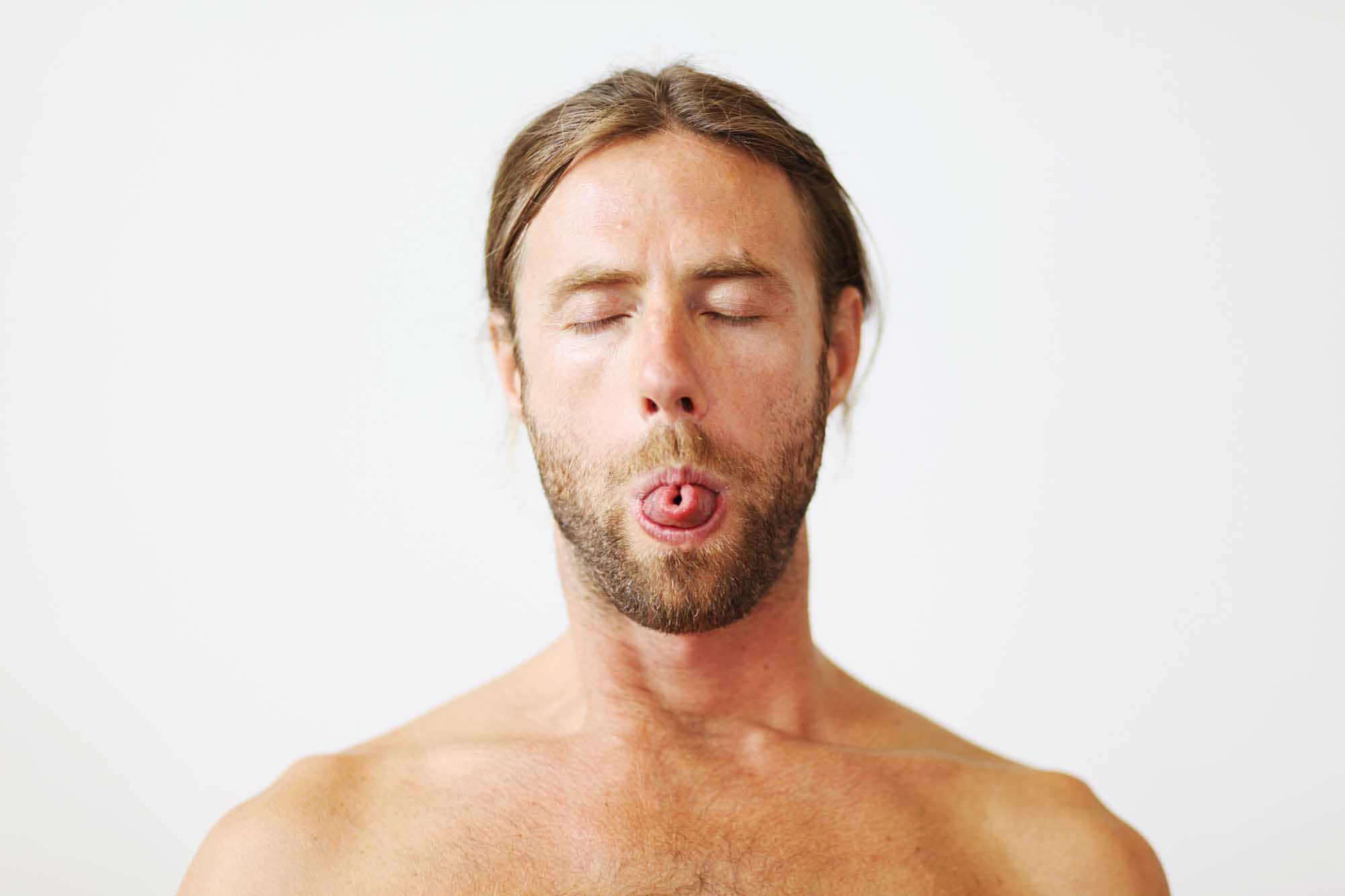
Sitali Pranayama (Cooling Breath) is a yoga breathing technique in which you breathe in through the mouth over a tongue curled into a tube, then close the mouth and breathe out slowly through the nose. The air moving over the wet tongue feels cool, and the slow exhale settles the breath. It is also spelled Sheetali or Shitali, and people use it on hot days, after a strong practice or when they feel wound up.
Type: seated pranayama. Level: beginner friendly. Time: 5-10 rounds, about 2-5 minutes. Props: a cushion or a chair.
What does Sitali mean?
Sitali (शीतली) comes from the Sanskrit shita, cold or cool. Sitali means "the cooling one". Pranayama joins prana, breath or life force, and ayama, extension. Read together: a breathing practice that cools.
The technique is old. The Hatha Yoga Pradipika, a 15th century manual of hatha yoga, lists Sitali among its eight kumbhakas, the classical breath practices. The instruction is short: draw the air in through the tongue, hold the breath, then let it out slowly through the nostrils. The text then promises that Sitali cures fever, disorders of the spleen and bile, hunger, thirst and the effects of poison. Those claims belong to the text and its time. Nobody has tested them, and we do not repeat them as fact.
How to do Sitali Pranayama step by step
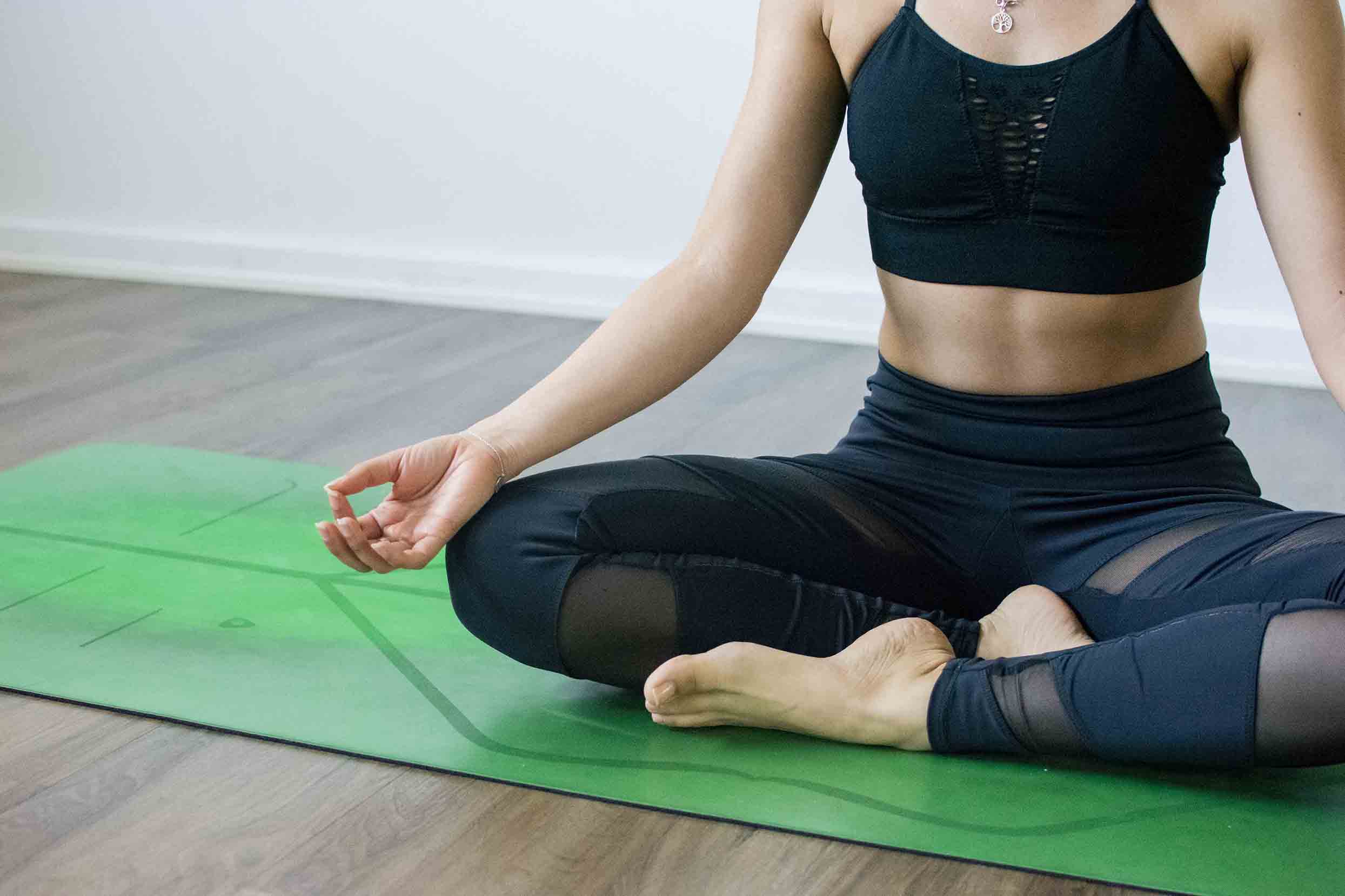
- Sit tall. Choose a seat you can hold for a few minutes: Sukhasana (Easy Pose) on a cushion, Padmasana (Lotus Pose) if your knees like it, or a chair with both feet on the floor. Keep the spine long and the neck in line with it.
- Settle the breath. Close your eyes and breathe normally through the nose for a few rounds. Let the shoulders drop.
- Shape the mouth. Open the lips into a soft "O". No need to purse them hard.
- Curl the tongue. Roll the sides of the tongue up so it forms a tube, and let the tip stick out a little past the lips.
- Breathe in through the tongue. Draw the air in slowly through the tube, as if you were drinking through a straw. You will feel the cool air on the tongue and at the back of the throat. It makes a soft hiss.
- Close the mouth. Draw the tongue in, close the lips and let the tongue rest against the roof of the mouth.
- Breathe out through the nose. Slowly, and a little longer than the inhale if that is comfortable.
- Repeat. Start with 5 rounds and build to 10, or about 2-5 minutes. Then sit for a minute with normal nose breathing.
If you cannot curl your tongue, use Sitkari, the sister technique described below. You get the same cool inhale.
Sitali vs Sitkari
Sitkari (also Sheetkari) is the other cooling breath in the Hatha Yoga Pradipika. You press the upper and lower teeth lightly together, part the lips as in a wide smile, and breathe in through the gaps between the teeth with a sipping "sss" sound. The exhale goes out through the nose, as in Sitali.
The difference is the mouth shape. Sitali needs a curled tongue. Sitkari works for everyone, and the air feels colder on the teeth, which is uncomfortable if your teeth are sensitive. Guy Powiecki teaches it in the 15-minute Sitkari Pranayama class.
Variations
- With a breath hold. The Hatha Yoga Pradipika has you hold the breath after the inhale. Some teachers add a short pause here, with the chin lowered toward the chest (Jalandhara Bandha). Leave it out until the plain version feels easy, and read our guide to Kumbhaka (breath retention) first.
- Chin lift. Some schools lift the chin a little as you breathe in and lower it as you breathe out through the nose. It adds a slow rhythm to the practice.
- Kaki Mudra, the crow's beak. Purse the lips into a small beak and breathe in through it without curling the tongue. Another option if the tongue will not roll.
- With Ujjayi on the exhale. Breathe out through the nose with a light narrowing of the throat, as in Ujjayi Pranayama, to make the exhale longer and more even.
What Sitali does
The cooling you feel is real and local. Air drawn over a wet tongue evaporates some of the moisture, and evaporation takes heat with it. So the tongue, the mouth and the throat feel cool. Whether it lowers the temperature of the whole body in a way you could measure is not established.
The calming part has a clearer mechanism. Sitali slows the breath down, and a slow, long exhale shifts the nervous system toward rest and brings the heart rate down. Any slow breathing does this. The cool air gives the mind something to notice on every inhale, which helps some people stay with it.
A few small studies, many of them from India, report lower blood pressure and heart rate after practice with Sitali and Sitkari, usually as part of a longer breathing routine. They are short and small, so treat them as a promising sign. Sitali is not a treatment for high blood pressure. For a wider look at the research, read what studies show about pranayama and stress.
Who should skip or modify it
- Asthma or sensitive airways. Cool, dry air through the mouth can set off a cough or tighten the airways. Try Sitkari with a gentle inhale, or stay with nose breathing.
- A cold, a sore throat or a chest infection. Wait until you are well.
- Low blood pressure. Go slowly, keep the rounds few and stop if you feel dizzy.
- Cold weather. In a cold room the practice is uncomfortable, and the air hits the throat colder than your body temperature. Many teachers keep Sitali for warm days or for the end of a heating practice.
- Pregnancy. Sitali without a breath hold is generally taught as gentle. Skip the holds, and ask your midwife or doctor if you are unsure.
Common mistakes
- Gulping the air. The inhale through the tongue should be slow and quiet. A big, fast gulp dries the mouth and can make you light-headed.
- Breathing out through the mouth. Close the mouth and exhale through the nose. The exhale is where the calming happens.
- Tensing the face. The lips hold the tongue loosely. Keep the jaw and the forehead soft.
- Too many rounds too soon. Five rounds is enough to start. Stop when the mouth feels dry or you feel dizzy.
- Collapsing the posture. A slumped chest makes the breath shallow. Sit up so the ribs can move.
Where the sources disagree
The breath hold. The Hatha Yoga Pradipika includes a kumbhaka, a hold after the inhale. Most modern teachers leave it out for beginners and teach Sitali as a plain inhale and exhale. Both are Sitali. The hold makes it a more advanced practice.
Tongue rolling. You may read that the ability to curl the tongue is a simple genetic trait: you have it or you do not. Twin studies do not support that. Most people can do it, some cannot, and some learn with practice. Sitkari and Kaki Mudra exist for everyone else.
Ayurveda and pitta. Ayurvedic teachers describe Sitali as a practice that calms pitta, the hot, fiery dosha, and recommend it for anger, heat and hot flushes. That is a description in Ayurvedic terms. It explains why the practice is used in summer and after strong effort, and it is how the tradition talks. It is not a medical finding.
The health list. Older texts and many websites say Sitali reduces bile, heartburn, hunger, thirst and bad breath, and lowers blood pressure. The first ones come from the Hatha Yoga Pradipika and have not been studied. The blood pressure claim has small studies behind it, not proof. What you can count on: a cool mouth, a slower breath and a few calm minutes.
Where Sitali fits in a practice
Use it at the end, not the start. After a strong flow, after heating practices like Kapalabhati or Bhastrika, or on a hot afternoon when you want to come down a notch. It pairs well with Nadi Shodhana (Alternate Nostril Breathing) and Bhramari (Humming Bee Breath) before a seated meditation. For the bigger picture, read pranayama, the yogi's art of breathing, or browse all our pranayama classes.
To learn it with a teacher, start with Guy Powiecki's 5-minute Sitali tutorial, then practise it in the 15-minute Cool class or the 20-minute Surya Bhedana and Sitali class.
Frequently asked questions
What are the benefits of Sitali Pranayama?
It cools the tongue, mouth and throat as the air passes over the wet tongue, and it slows the breath, which helps you calm down. Small studies suggest it may lower blood pressure and heart rate a little, but the evidence is thin.
Who should not do Sitali Pranayama?
Skip it or go gently if you have asthma, a cold, a sore throat or a chest infection, or low blood pressure. It is also uncomfortable in cold weather. Leave out breath holds if you are pregnant or new to pranayama.
How many times should you do Sitali Pranayama?
Start with 5 rounds and build to 10, about 2-5 minutes. Stop if your mouth gets dry or you feel dizzy, and sit for a minute with normal breathing afterwards.
What is the difference between Sitali and Sitkari?
Both cool the breath and both breathe out through the nose. In Sitali you breathe in over a curled tongue. In Sitkari you breathe in through lightly closed teeth with the lips parted, so it works for people who cannot curl the tongue.
What if I cannot roll my tongue?
Practise Sitkari, breathing in through the teeth, or Kaki Mudra, breathing in through lips pursed like a beak. Some people learn to curl the tongue with practice, but you do not need to.
Is Sitali the same as Sheetali?
Yes. Sitali, Sheetali and Shitali are different English spellings of the same Sanskrit word, शीतली, which means "the cooling one".
When is the best time to practise Sitali?
On a warm day, after a strong yoga practice or after heating breathwork like Kapalabhati. It also works before a seated meditation. Avoid it in a cold room or on a cold day.
Practise it with a teacher
Over 600 online yoga classes and programs for $4.99 a month. Cancel any time.
Become a member