Janu Sirsasana (Head-to-Knee Pose): How to Do It Step by Step

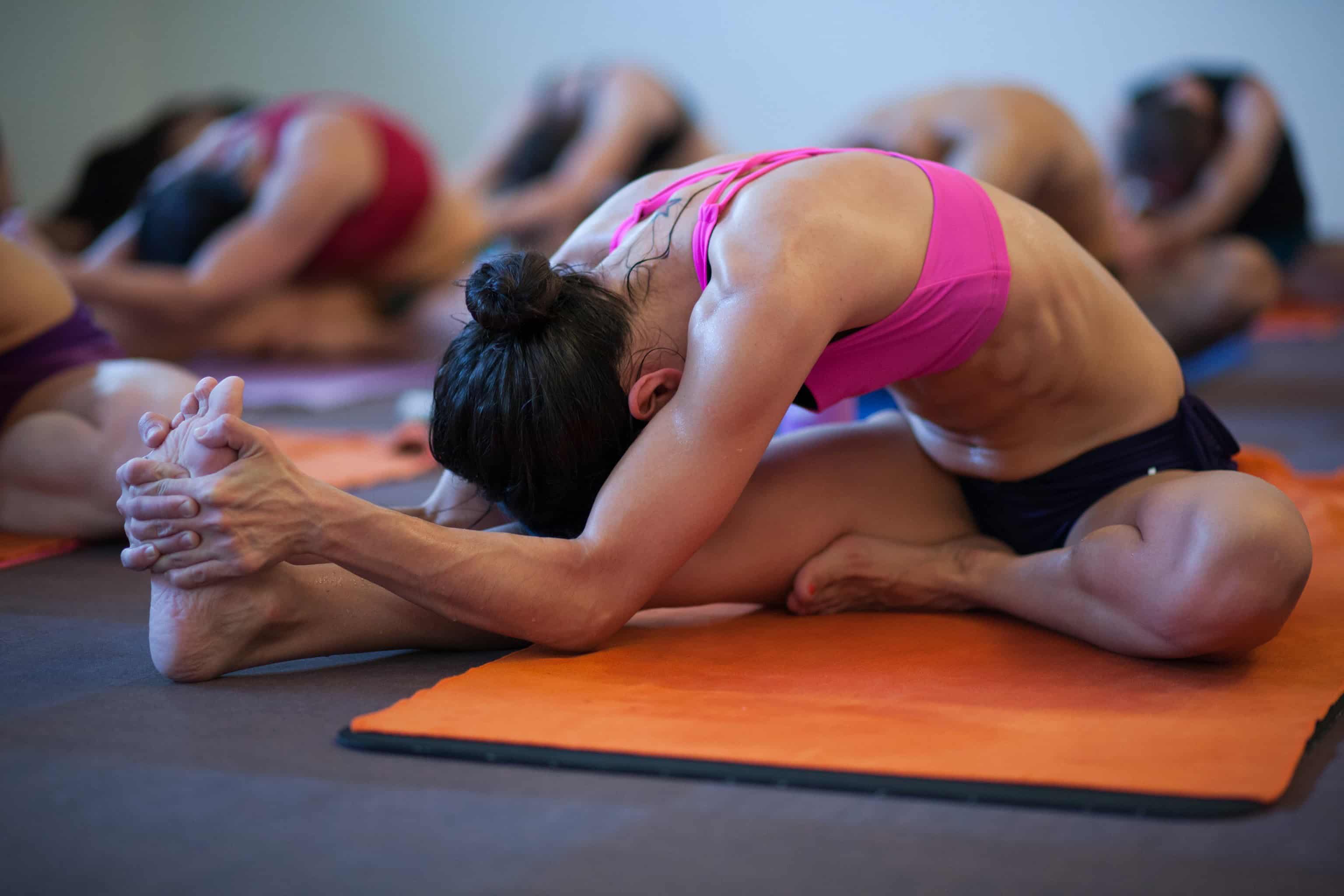
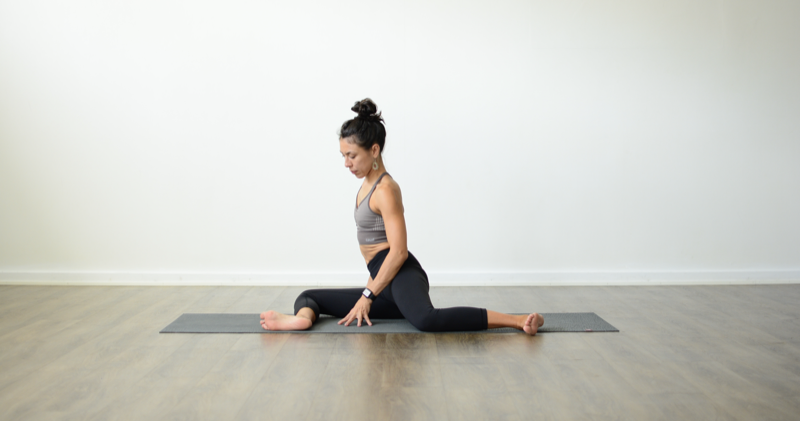
Janu Sirsasana (Head-to-Knee Forward Bend) is a seated forward fold over one straight leg, with the other knee bent and the sole of that foot against the inner thigh. It stretches the back of the straight leg and the back along the spine, one side at a time. You fold from the hips toward the extended leg, and the head moves toward the knee or the shin.
Pose type: seated forward bend, hamstring stretch. Level: beginner, with props. Props: a folded blanket or a block to sit on, a strap, a cushion under the bent knee if it floats.

What Janu Sirsasana means
The name is three Sanskrit words: janu, knee, sirsa, head, and asana, pose. So the literal meaning is head-to-knee pose. It has nothing to do with Sirsasana (Headstand) apart from the word for head. In English it goes by Head-to-Knee Pose, Head-to-Knee Forward Bend or Head-to-Knee Stretch. In Yin Yoga a softer version of the same shape is called Half Butterfly.
How to do Janu Sirsasana, step by step
- Sit in Dandasana (Staff Pose): legs straight in front of you, feet flexed. If your lower back rounds, sit on the edge of a folded blanket or a block so the pelvis can tip forward.
- Bend your right knee and place the sole of the right foot against the inner left thigh, heel close to the groin. Let the right knee drop out to the side. If it hovers high, put a cushion under it.
- Keep the left leg straight, kneecap pointing up, toes toward the ceiling. Press the back of the left thigh lightly into the floor.
- Place your hands on the floor beside your hips and sit tall. Turn your chest slightly to the left, so your navel lines up with the middle of the left thigh.
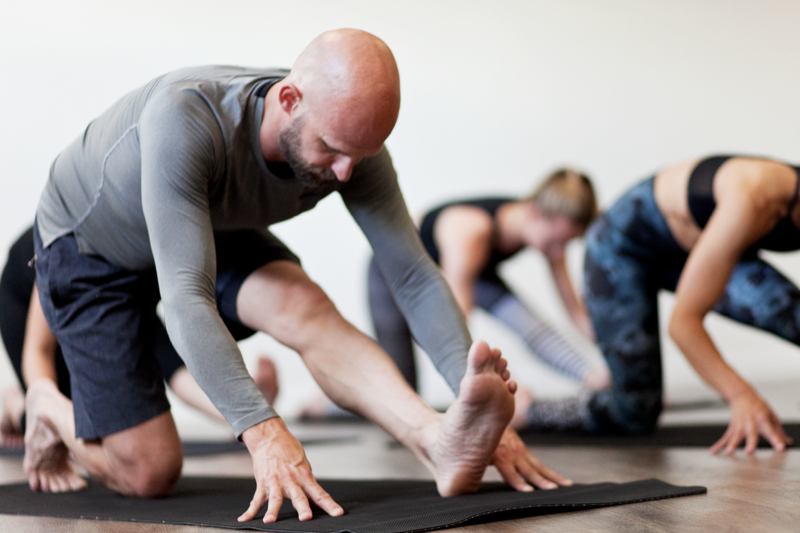
- Inhale and lengthen your spine up. Exhale and fold forward from the hip crease, leading with the chest. Hold the shin, the ankle or the foot. If you cannot reach without rounding hard, loop a strap around the ball of the left foot.
- Stay where the stretch is clear but calm, and breathe slowly for 5-10 breaths. With each inhale, find a little length. With each exhale, let the fold deepen by a millimetre if it wants to.
- Relax your shoulders away from your ears, and let your neck and face soften. Only when the spine is long and the hips have folded do you let the head move toward the knee or the shin.
- To come out, inhale and lift the chest, walk the hands back and straighten the right leg. Repeat on the other side for the same number of breaths.
Beginners often reach the knee with the forehead only by bending the straight leg. That is allowed. A bent knee with a long back stretches the hamstrings better than a straight knee with a hunched spine.
Benefits of Head-to-Knee Pose
Janu Sirsasana is a hamstring stretch that works one leg at a time. That makes it easier to notice which side is tighter and to give it more time.
- Hamstrings and calves: folding over the straight leg stretches the back of the thigh and, with the foot flexed, the calf.
- Back: the long muscles along the spine lengthen as the chest moves forward, and turning the chest toward the straight leg adds a mild stretch along the side of the back.
- Hip and groin of the bent leg: the knee dropping out to the side opens the inner thigh and asks for outward rotation in that hip.
Many people find the pose calming. That comes from sitting still, looking down and breathing out slowly, which you can do in any quiet forward fold. The old text claimed the fold stimulates the digestive, endocrine and urinary systems. We have found no evidence for that, so it is gone.
For the anatomy behind the stretch, read hamstrings and yoga.
Who should skip or modify Janu Sirsasana
- Knee problems in the bent leg: a meniscus injury or a stiff knee may not like the deep bend and the outward turn. Slide the foot further down toward the knee or the shin of the straight leg, or keep both legs straight.
- Disc problems or sciatica in the lower back: a rounded seated fold loads the lumbar discs. Sit high, keep the spine long, and fold only a little, or skip the pose and stretch the hamstrings lying on your back with a strap.
- A recent hamstring strain: wait until you can stretch without pain at the sitting bone.
- Pregnancy: move the straight leg out to the side, keep the belly free and fold less.
Pulling at the sitting bone or the back of the knee is a sign to back off. Our 10 tips to avoid yoga injuries cover the rest.
Common mistakes
- Chasing the knee with the head. Rounding the whole back to get the forehead down moves the stretch out of the hamstrings and into the lower back.
- Folding from the waist. The movement starts at the hip crease. If the pelvis stays tipped back, sit higher.
- Locking the straight knee. Press the thigh down but keep a micro-bend if the knee tends to hyperextend.
- Pulling with the arms. Hands on the foot are a guide. If they drag you forward, the shoulders lift and the neck tightens.
- Holding the breath. A held breath braces the whole body. Let the exhale be long.
- Only doing the easy side. Hold both sides for the same count.
Preparatory poses
- Dandasana (Staff Pose): the seat Janu Sirsasana starts from. Sit tall with straight legs for a few breaths.
- Baddha Konasana (Bound Angle Pose): opens the inner thighs and the outward rotation the bent leg needs.
- Prasarita Padottanasana (Wide-Legged Forward Bend): a standing forward fold that warms up the hamstrings with gravity helping.
- Dandayamana Janushirasana (Standing Head-to-Knee Pose): the standing cousin, where the same shape is held on one leg.
Follow-up poses
- Paschimottanasana (Seated Forward Bend): both legs straight, once each side has had its turn.
- Upavistha Konasana (Wide-Angle Seated Forward Bend): the inner thighs and hamstrings with the legs wide.
- Ardha Matsyendrasana (Half Lord of the Fishes): a seated twist that moves the spine in a new direction after the forward folds.
- Balasana (Child's Pose) or Savasana (Corpse Pose) to rest.
Janu Sirsasana variations
- With a strap: loop it around the ball of the straight foot and hold it with both hands, elbows wide.
- Bent straight leg: a small bend in the extended knee lets you fold from the hips when the hamstrings are tight.
- Parivrtta Janu Sirsasana (Revolved Head-to-Knee Pose): you lean sideways over the straight leg and turn the chest up to the ceiling. A side bend and a twist rather than a forward fold.
- Janu Sirsasana A, B and C: in Ashtanga Yoga the primary series has three versions. A is the pose described here, B sits on the heel of the bent leg, and C turns the bent foot so the toes press into the floor. B and C put more load on the knee and ankle.
- Bikram version: in the Hot 26 sequence Janushirasana is done with both hands clasped under the foot, the spine rounded on purpose and the forehead brought to the knee, then paired with Paschimottanasana.
Where teachers disagree
The name promises head on knee, and here the traditions pull in different directions. In Hatha classes in the Iyengar line and in Ashtanga, the spine stays long and the fold comes from the hips. The head reaching the knee is the end result of open hamstrings, and teachers often cue chin toward the shin instead. In Bikram's sequence the rounded back and forehead on the knee are the point: you curl down with a bent knee first and straighten the leg afterwards. Both are taught widely. If you have a sensitive lower back, the long-spine version is the safer place to start. The rounded version gives more stretch along the back when the discs are healthy.
Lauren Matters' class Hot 26 Seated Series takes you through the floor poses of the Hot 26 sequence, including Head-to-Knee, and Back of the Legs is a gentle 15-minute hamstring stretch with a strap.
Frequently asked questions
What is the English name for Janu Sirsasana?
Head-to-Knee Forward Bend, also called Head-to-Knee Pose. The Sanskrit words are janu (knee), sirsa (head) and asana (pose).
What are the benefits of Janu Sirsasana?
It stretches the hamstrings and calf of the straight leg, lengthens the back along the spine and opens the inner thigh and hip of the bent leg. Because it works one side at a time, it shows you which leg is tighter. The slow breathing in a quiet fold helps many people settle.
What is the difference between Paschimottanasana and Janu Sirsasana?
In Paschimottanasana both legs are straight and you fold over both. In Janu Sirsasana one knee is bent with the foot against the inner thigh, so you stretch one leg at a time and add a slight turn of the chest toward the straight leg. Janu Sirsasana is often done first as preparation.
Does your head have to touch your knee?
No. The name describes the full expression, and most people need years of practice or a bent knee to get there. Fold from the hips with a long spine and let the head go where it arrives.
How long should you hold Head-to-Knee Pose?
Five to ten slow breaths on each side is typical in a Hatha or Vinyasa class. In Yin Yoga the similar Half Butterfly is held for three to five minutes with the muscles relaxed. Hold both sides for the same time.
Is Janu Sirsasana good for beginners?
Yes, with props. Sit on a blanket, use a strap around the foot and bend the straight knee a little if the hamstrings are tight. Skip the deep knee bend if the bent knee hurts, and slide that foot lower down the straight leg instead.
Practise it with a teacher
Over 600 online yoga classes and programs for $4.99 a month. Cancel any time.
Become a member