Dhanurasana (Bow Pose): How to Do It Step by Step

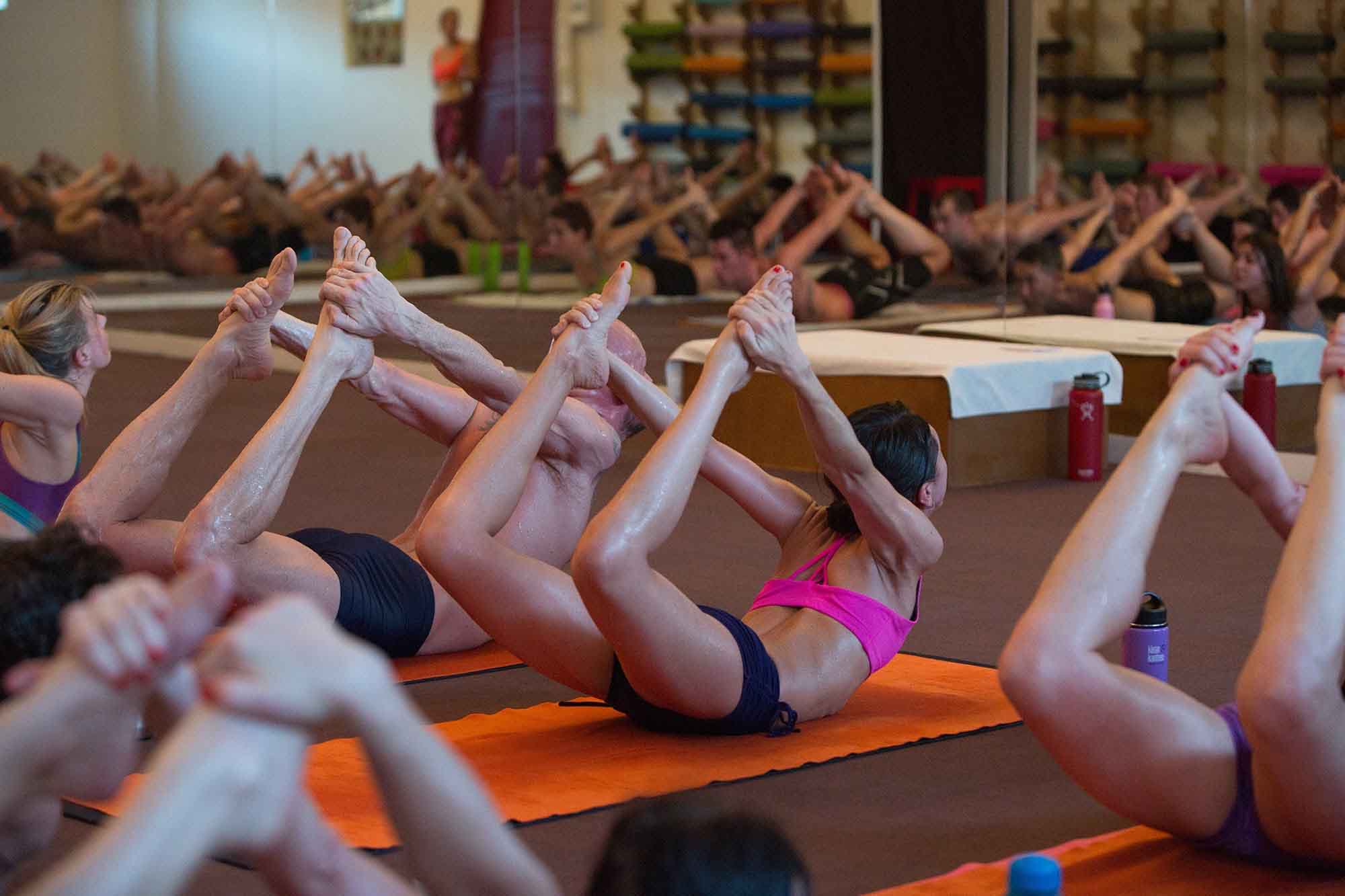
Dhanurasana (Bow Pose) is a backbend done lying on your belly: you bend your knees, hold your ankles, and lift your chest and thighs off the floor so the body curves like a drawn bow, with the arms as the string. It strengthens the muscles along the back of the spine and stretches the whole front of the body, from the thighs and hip flexors to the chest and shoulders. Most people can learn a version of it once they are comfortable in Cobra and Locust.
Pose type: prone backbend. Level: beginner to intermediate. Props: a strap if you cannot reach your ankles, a folded blanket under the hips or thighs.
What Dhanurasana means
The name joins two Sanskrit words: dhanu (or dhanus), bow, and asana, seat or posture. The torso and legs form the wood of the bow. The straight arms pull like the string.
The name is old, the shape we teach today is younger. The Hatha Yoga Pradipika (15th century) describes Dhanurasana as holding the toes and drawing them toward the ears, like an archer drawing a bow. That is closer to the seated archer pose, Akarna Dhanurasana, than to the belly-down bow. The prone version became the standard in the 20th century, through teachers in Krishnamacharya's line such as B.K.S. Iyengar, and it is part of both the Ashtanga Intermediate Series and the Bikram 26.
Bows carry weight in Indian stories. In the Ramayana, King Janaka promises his daughter Sita to the man who can string Shiva's great bow. Rama lifts it, bends it to string it, and the bow breaks in two. The same epic gives its name to Hanumanasana (Monkey Pose), after the monkey hero who leaps across the sea to find Sita. It is a good story to hold in mind in the pose, and it is a story, not the origin of the asana.
How to do Dhanurasana, step by step
Warm up the spine first. A few rounds of Cobra and Locust are enough.
- Lie on your belly with your forehead or chin on the mat, legs hip-width apart, arms along your sides with the palms up.
- Breathe out and bend your knees, bringing your heels toward your buttocks.
- Reach back and hold the outside of your ankles, one hand at a time. Keep your knees hip-width apart. If they splay wide, the lower back takes over.
- Press your pubic bone gently into the mat and lengthen your tailbone toward your heels.
- Breathe in and kick your feet back into your hands. That kick is what lifts you: the thighs come off the floor, and the chest and head follow. The arms stay straight and let the legs do the pulling.
- Draw your shoulder blades toward each other and away from your ears, and let the chest widen forward. Keep the back of the neck long and the gaze forward or slightly up. Our guide to drishti, the yoga gaze, explains where to rest the eyes.
- Stay for 3-5 breaths. The belly presses into the floor, so the breath moves into the back and sides of the ribs. Let it rock you a little.
- Breathe out, release the ankles, lower the legs and chest, and rest with one cheek on the mat. Repeat once or twice.
If your thighs will not leave the floor, keep kicking into your hands anyway. The kick trains the right action, and the lift comes with time.
Benefits of Bow Pose
Bow is two actions at once. The back of the body contracts to lift you, and the front of the body lengthens against the pull of the arms.
- Back strength: the erector spinae along the spine, the glutes and the hamstrings all work to lift the chest and thighs.
- Front-body stretch: the quadriceps and hip flexors lengthen as the feet kick back, and the chest and the fronts of the shoulders open as the arms pull.
- Posture: for people who sit rounded over a desk, a regular backbend works the opposite way, drawing the shoulders back and extending the upper back.
Many sources say Bow massages the abdominal organs and helps digestion or diabetes. The belly is pressed into the floor, so you will feel something there, but no study shows that it treats any of these conditions. We leave that claim out.
Who should skip or modify Bow Pose
Bow is a strong backbend with your body weight resting on the belly. Most of the bending tends to collect in the lower back, where the spine moves most easily.
- Skip it in pregnancy. Lying on the belly is not an option. Supported backbends on the back or side work better.
- Skip or wait after recent abdominal surgery, with a hernia, or with an acute lower back injury, spondylolisthesis or a disc problem, unless your physiotherapist has cleared backbends.
- Modify with a strap around the ankles if you have tight shoulders or knees that do not like deep bending, or practise one leg at a time (Ardha Dhanurasana, see variations).
- Come out if you feel sharp or pinching pain in the lower back, or pain in the knees. Stretch in the thighs and chest is what you want.
- Practise on an empty stomach. With your weight on the belly, a full meal makes the pose unpleasant.
Our 10 tips to avoid yoga injuries cover the general rules.
Common mistakes
- Pulling with the arms. Bent elbows and hunched shoulders mean the arms are doing the work. Keep the arms straight and kick with the legs.
- Knees flaring wide. Wide knees pinch the lower back. Keep them hip-width, or use a block between the thighs while you learn.
- Cranking the head back. The neck bends further than the rest of the spine and takes the strain. Lift the chest and let the head follow.
- Holding the breath. The pressure on the belly makes people stop breathing. Keep the breath moving, even if it is short.
- Coming out fast. Release the ankles and lower down slowly, then rest before you go again.
Preparatory poses
Bow asks for back strength and open hip flexors and shoulders. These build both:
- Bhujangasana (Cobra Pose): a gentler prone backbend that teaches you to lift the chest with the back muscles.
- Salabhasana (Locust Pose): lifts chest and legs without the hands, so the back does all the work.
- Anjaneyasana (Low Lunge): stretches the hip flexors and front thigh that Bow needs to open.
- Setu Bandha Sarvangasana (Bridge Pose): the same front-body stretch, lying on your back.
- Virasana (Hero Pose): the deep knee bend and the fronts of the thighs.
Hot 26 practitioners know Bow from the floor series, where it comes after Cobra and Locust. The Hot 26 Spine Series class works through that part of the sequence, and our overview of the 26 Bikram yoga poses shows where it sits in the whole series.
Follow-up poses
- Balasana (Child's Pose): a gentle forward fold for the lower back straight after the bow.
- Ustrasana (Camel Pose): a kneeling backbend with the same arm-to-heel connection.
- Urdhva Dhanurasana (Upward Bow or Wheel Pose): the full backbend from the floor. It shares a name with Bow but is a different pose, lying on the back and pressing up on the hands and feet.
- Eka Pada Rajakapotasana (One-Legged King Pigeon): a deeper opening of the hip flexors and front thigh.
Dhanurasana variations
- Ardha Dhanurasana (Half Bow): hold one ankle while the opposite forearm rests on the mat. Easier on the shoulders, and you can feel each side of the body separately.
- Strap Bow: loop a strap around both ankles and hold it with straight arms. Walk the hands closer as the shoulders open.
- Parsva Dhanurasana (Side Bow): from the full pose, roll onto one side while holding the bow, then roll through the centre to the other side. It follows Bow in the Ashtanga Intermediate Series.
- Rocking Bow: hold the pose and let the breath rock you forward and back along the belly.
- Akarna Dhanurasana (Archer Pose): the seated pose closest to the old Hatha Yoga Pradipika description, drawing one foot toward the ear like an arrow on a bowstring.
To build the strength and hip opening for Bow step by step, try the 20-minute level 1 class Move Into Backbends, which teaches you to protect the lower back with two blocks.
Frequently asked questions
What is Dhanurasana and what are its benefits?
Dhanurasana, or Bow Pose, is a backbend done lying on the belly while holding the ankles and lifting the chest and thighs. It strengthens the muscles along the back of the spine, the glutes and the hamstrings, and stretches the thighs, hip flexors, chest and fronts of the shoulders.
Which disease is cured by Dhanurasana?
None that research has shown. Claims that Bow Pose cures diabetes, constipation or other conditions come from tradition and wellness marketing, not from studies. Bow is a good strength and mobility exercise for the back and front body. If you have a medical condition, treat the pose as exercise alongside proper care.
Is Dhanurasana good for back pain?
For some people, and with care. Strengthening the back extensors can help general lower back stiffness, but Bow is a deep backbend and can aggravate disc problems, spondylolisthesis or an acute injury. Start with Cobra and Locust, and ask a physiotherapist if you have a diagnosed back problem.
How long should you hold Bow Pose?
Start with 3-5 breaths, then rest and repeat once or twice. That is enough for most practices. As your back gets stronger you can stay for 20-30 seconds, as long as you keep breathing and the lower back feels no pinching.
What is the difference between Dhanurasana and Urdhva Dhanurasana?
Dhanurasana is Bow Pose, done lying on the belly while holding the ankles. Urdhva Dhanurasana, the Upward Bow or Wheel Pose, is done from lying on the back, pressing up on hands and feet until the body forms an arch. Wheel is the more demanding of the two.
Why can't I lift my thighs in Bow Pose?
Usually because the hip flexors and front thighs are tight, or because you are pulling with the arms instead of kicking the feet back into the hands. Keep kicking, place a folded blanket under your hips, and practise Low Lunge and Locust to build the opening and strength.
Practise it with a teacher
Over 600 online yoga classes and programs for $4.99 a month. Cancel any time.
Become a member